
What’s Cooking?

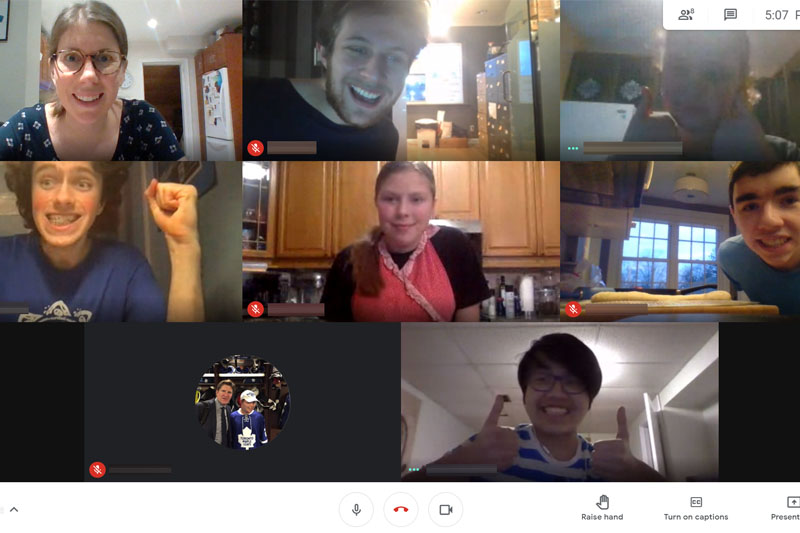
Cooking Club started off the new year by making simple, but satisfying smoothies. After all the holiday treats and big meals it was nice to make something packed full of healthy fruits and vegetables. As this was a fairly easy snack to prepare we had lots of time to catch up on our winter break activities and also discuss what recipes to make in the coming weeks. We have a long list of interesting ideas to choose from with some old favourites and new challenges.

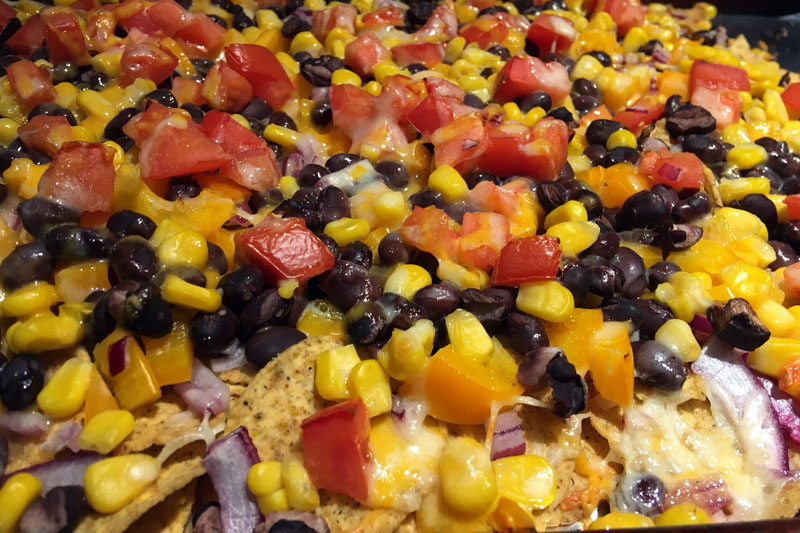
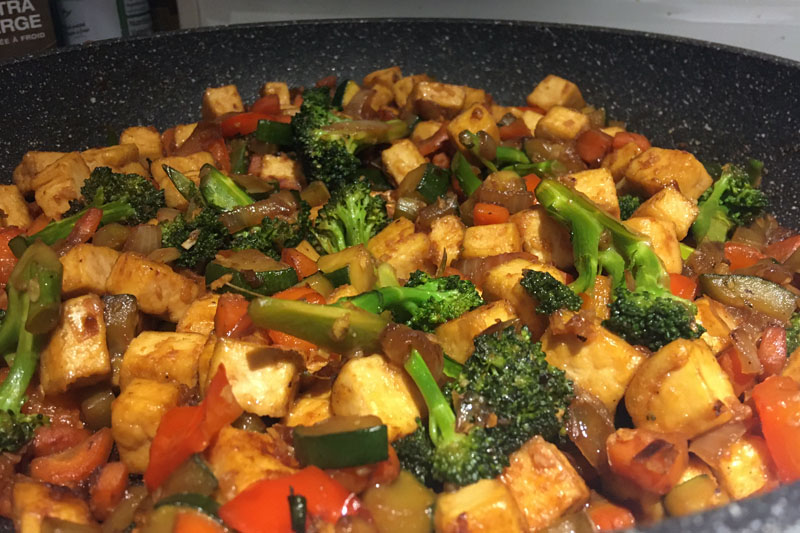
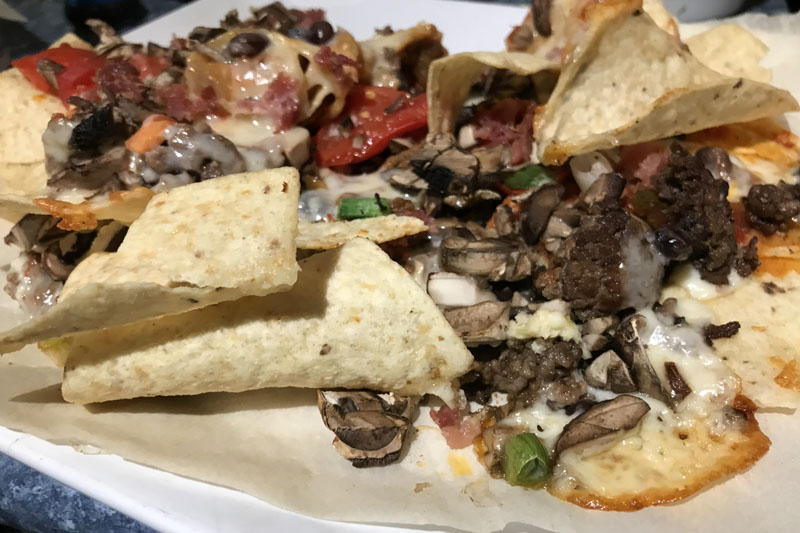
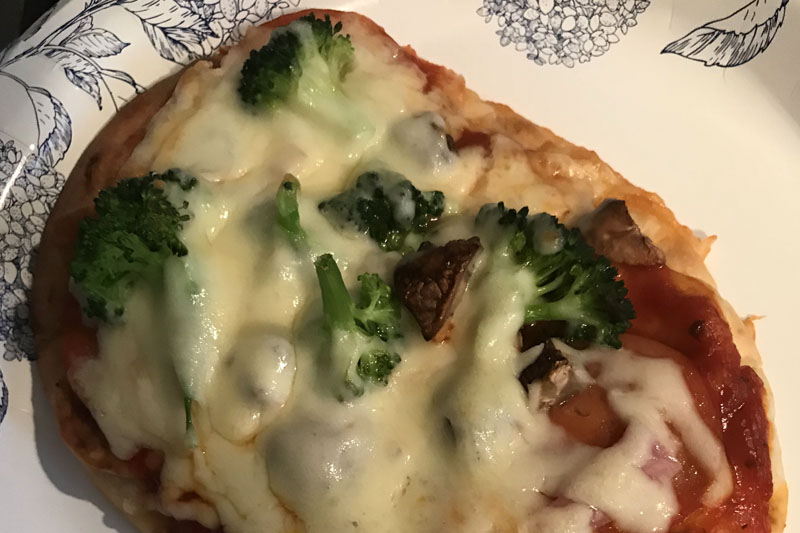
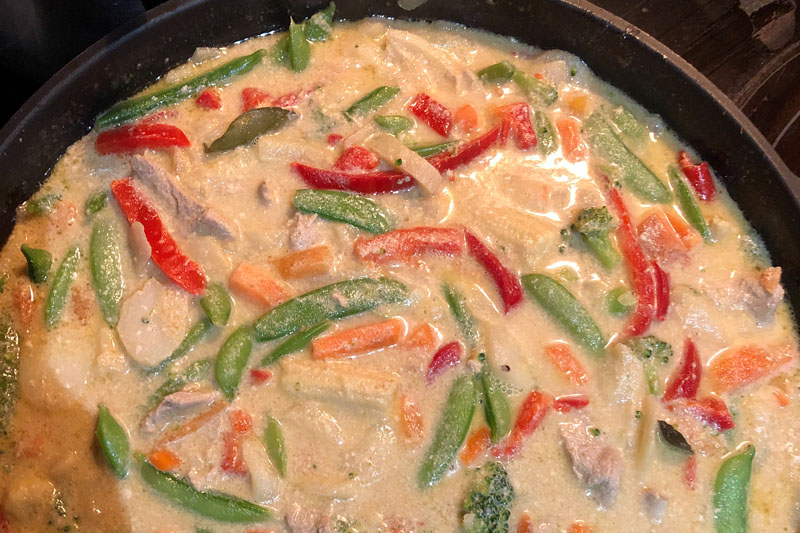
Over the last few weeks we have made some really tasty meals. We created loaded nachos,
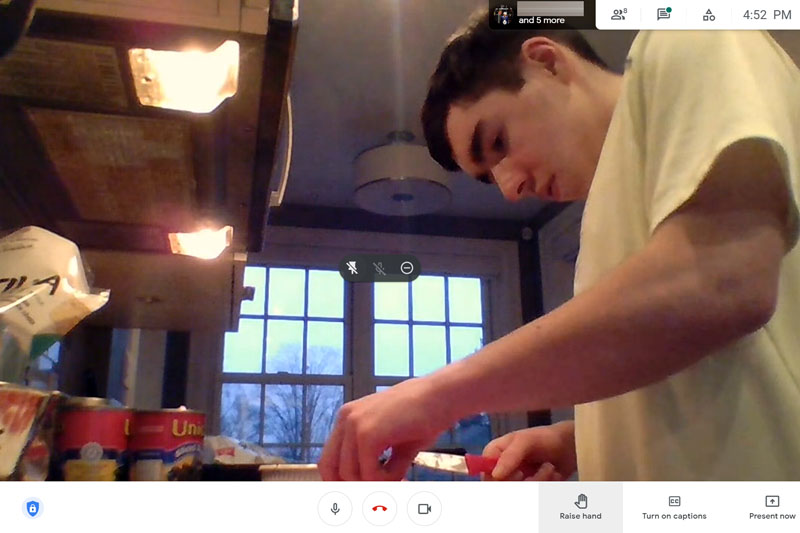
homemade pizzas, and stir-fries. Each student used their favourite ingredients to customize the meal for themselves and their families. These versatile recipes are great to meet the diverse tastes of our students and also allows them to use whatever they have on hand, which is a good skill and especially important during the pandemic.

We hope to be able to cook together in person once again, but for now our virtual Cooking Club gives us the opportunity to share our love of food with each other and socialize with our friends.
Living Things Big and Small

Middle school students at the Academy have started 2021 learning about life sciences. Students learned about the qualities that we use to define what is living and explored how certain living things interact within ecosystems.

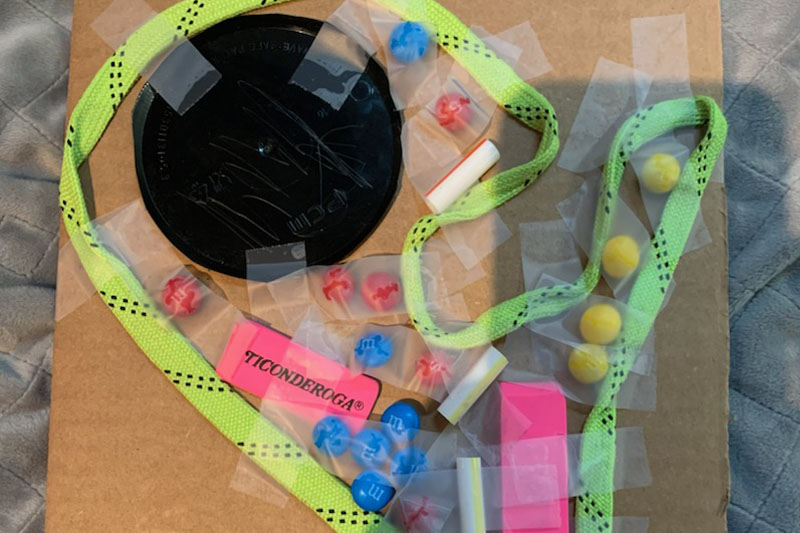
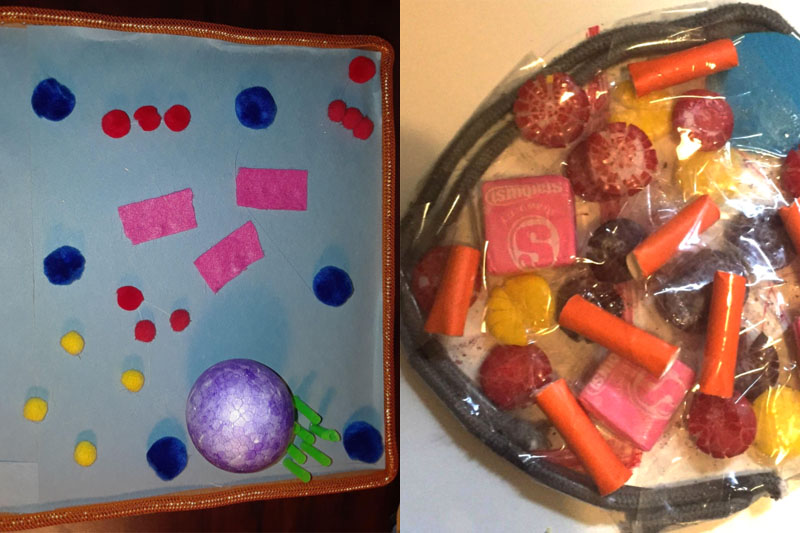
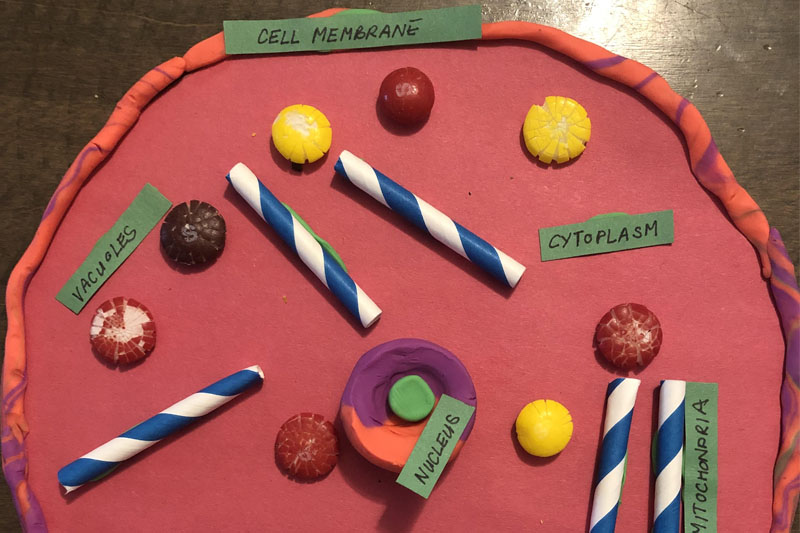
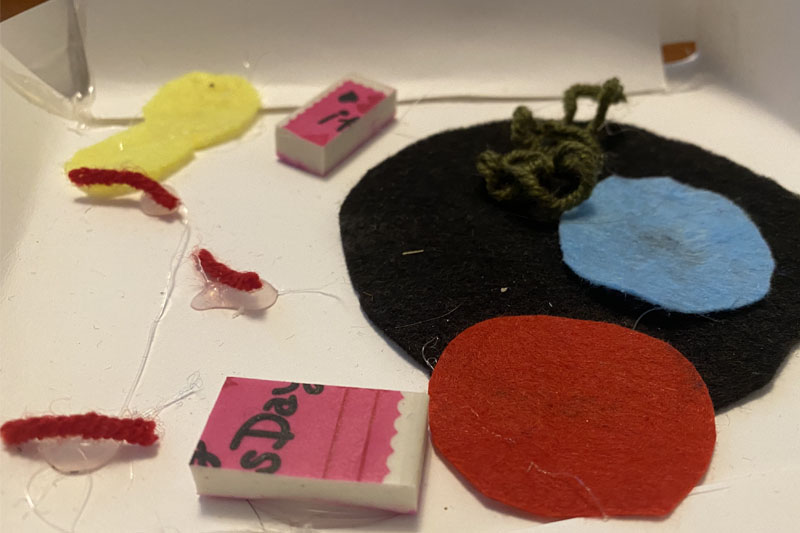
Since then, they have honed in on the basic unit of life, the cell! They investigated tissues using virtual microscopes and discovered variations between the structures found in plant and animal cells. Next, they demonstrated their learning by making cell models, using a legend and written descriptions to highlight functions and interactions between the structures making up these microscopic marvels.

Moving forward, they’ll continue to build on their understanding of cell processes and learn how cells can work together to form functioning tissues, organs and systems in multicellular organisms.

When Life Throws you Lemons, Sell Them

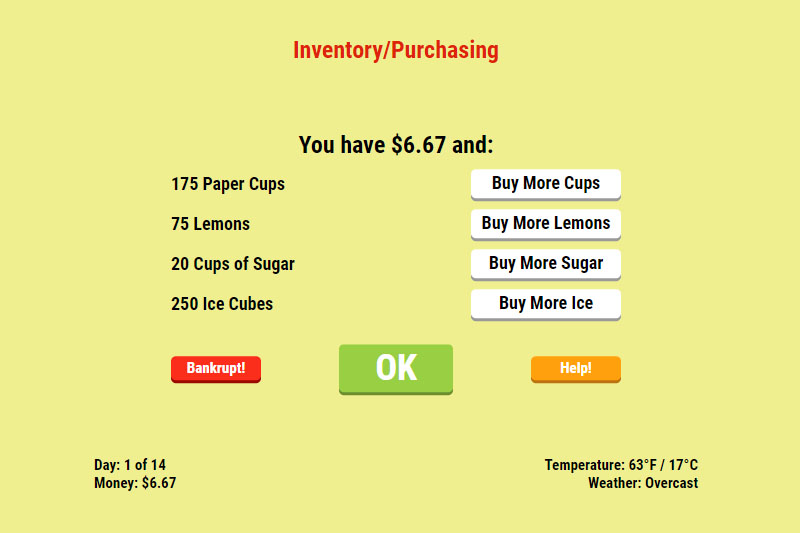
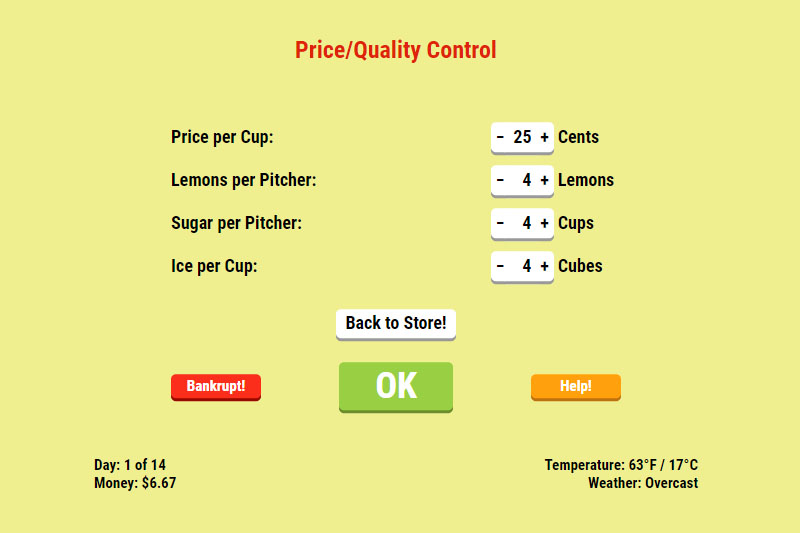
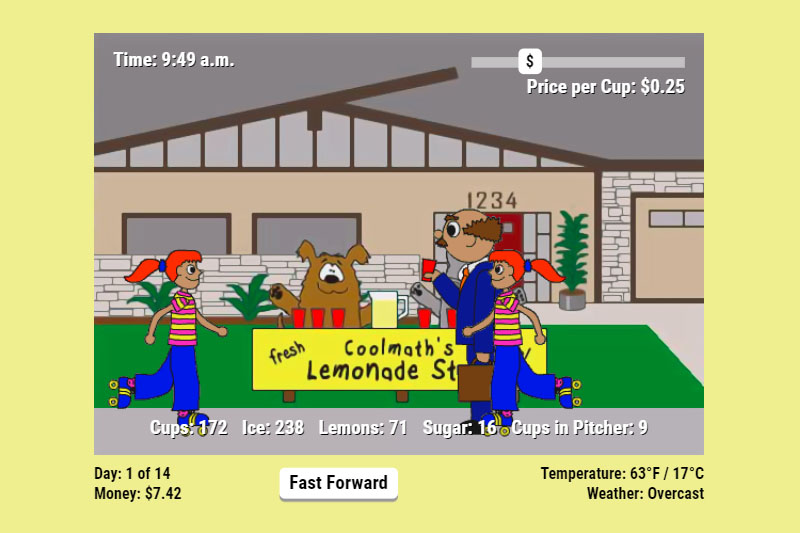
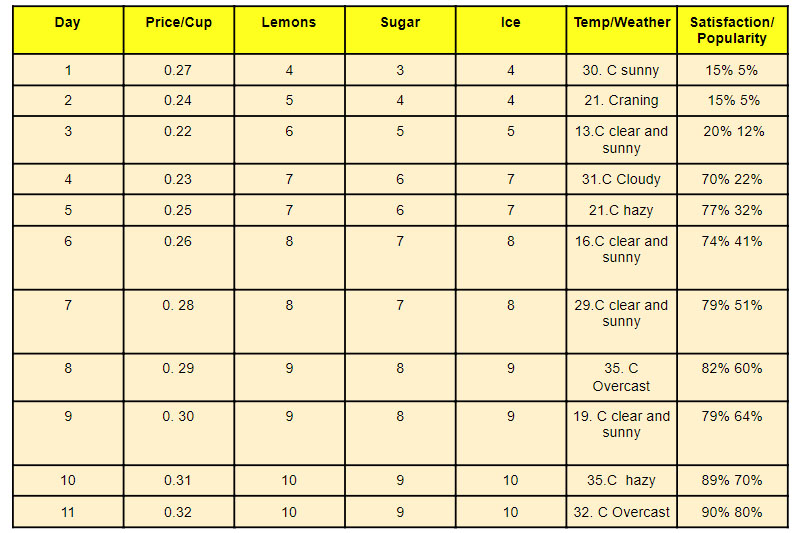
The Marketing class has been exploring and learning about ten important components of marketing. This week, students took on the challenge of running a lemonade stand in an online game. Through the game, they were able to learn about the importance of research, product development, pricing, sales and inventory management. They had complete control over pricing, quality, inventory and supplies, and their goal was to make as much money as possible over a 14 day period. It’s not as easy as it sounds though, as students needed to account for the weather, customer satisfaction and feedback, popularity, money, and inventory.

Although some students were more successful than others, everyone had fun trying to find the perfect balance between all the different factors at play. In addition, the game did well to demonstrate that marketing is more than just about sales and advertising. Soon enough, students will take these newly learned skills to put together a marketing plan of their own.

Applications of Acid-Base Reactions in Everyday Life: Antacids

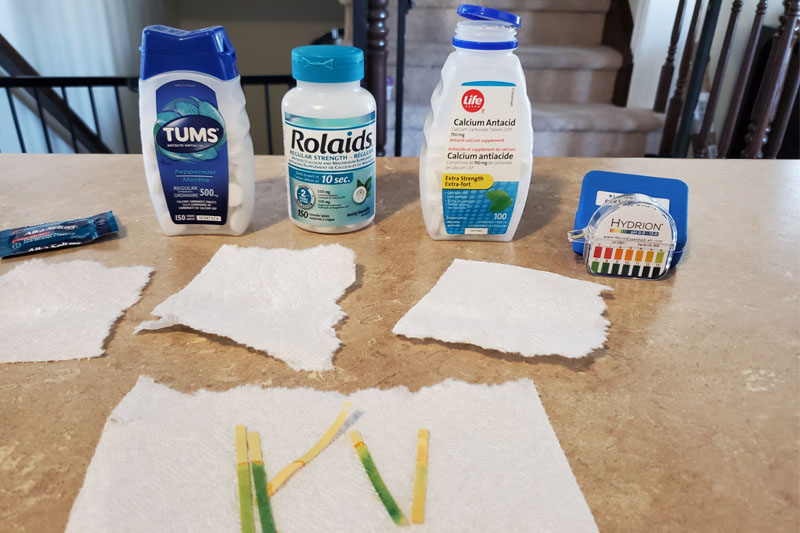
Acid-Base reactions are a part of everyday life. In the previous lab, students identified everyday substances found in the home as acids or bases. In their second chemistry lab, the grade ten science class explored the practical applications of acid-base reactions, specifically looking at the use of antacids to stop acid reflux (“heartburn”). The antacids used were: Alka-Seltzer, Tums, Rolaids, and Life Brand.

In the experiment, the different antacids were reacted with an acid (soda pop – coke) to determine which one neutralizes the acid best (increases the pH). After the experiment, students explored the results, and reflected on the effectiveness of the antacids and considered possible explanations for their observations.

Identification of Acids and Bases

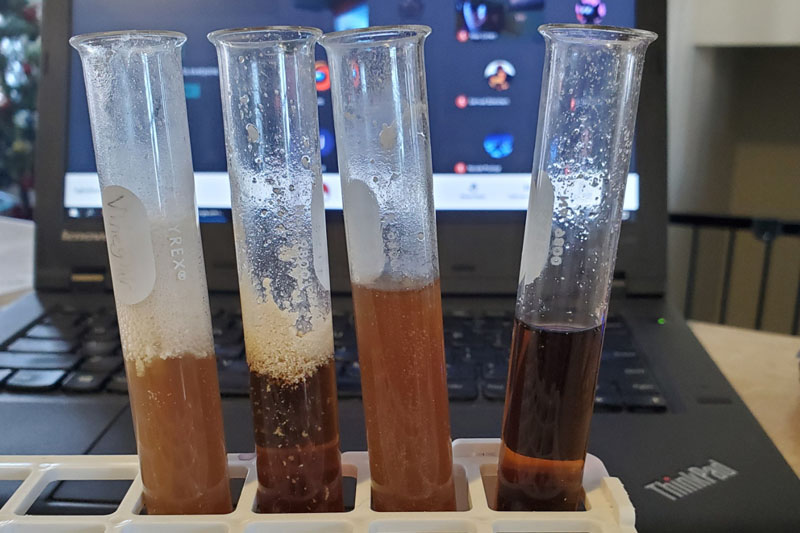
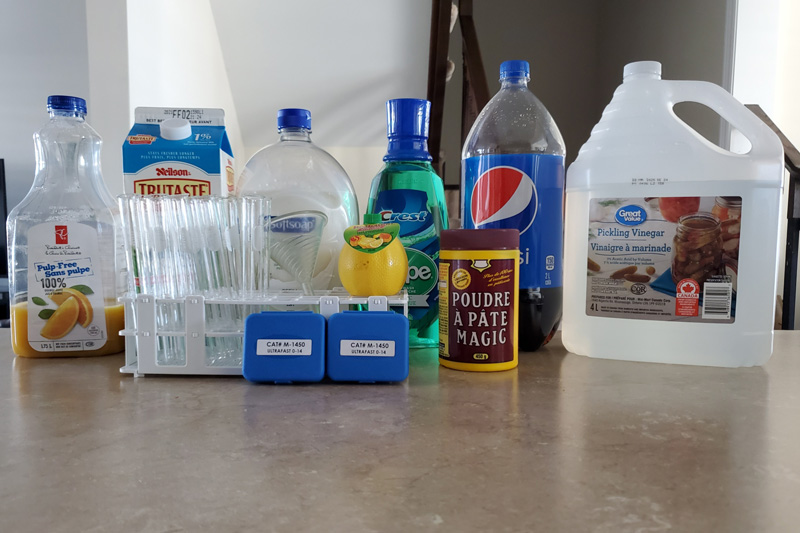
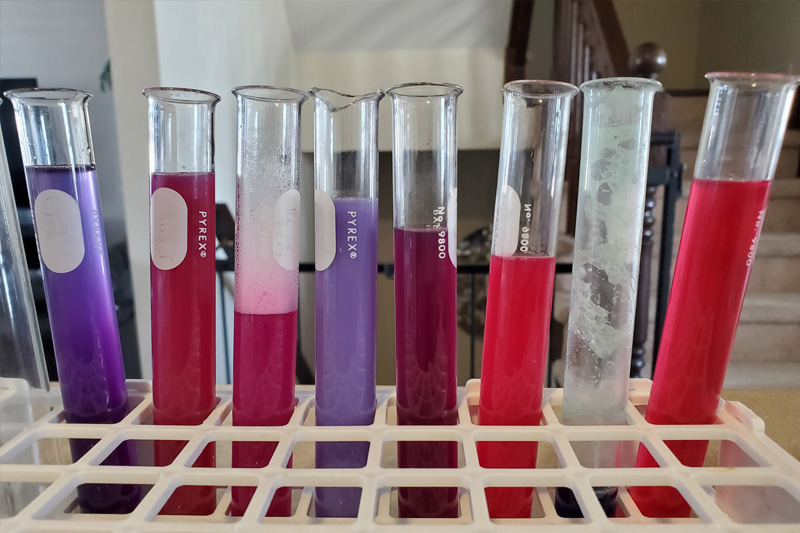
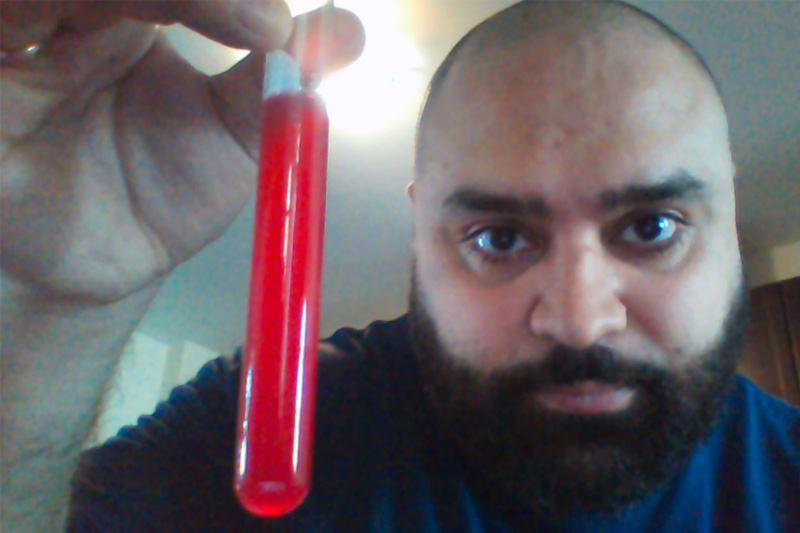
Although we have temporarily returned to fully online learning, the show must go on. One of the more “colourful” experiments in chemistry is the one where students try to identify everyday household items as either acidic or basic, and not having access to a lab wasn’t going to stop the grade ten science class from the experience. Having “commandeered” some basic pieces of equipment (test tubes, litmus paper, and a funnel) the identifying acids and bases lab was relocated to my kitchen. Students were given a list of everyday household items (vinegar, pepsi, lemon juice, liquid soap, baking soda, orange juice, mouth wash, and milk) and had to hypothesize whether they were acids or bases.

Each substance was reacted with a bit of red cabbage juice, which contains a natural pH indicator that changes colors depending on the acidity of the solution (very acidic solutions turn the indicator a red color, and basic solutions a greenish-yellow color). This gave students a quick, surface level indication of whether the substance was an acid or a base. To be a bit more accurate, however, we also tested the pH of each substance using a piece of litmus paper. This lab nicely sets up our next experiment where we will look at the applications of acid base reactions.