


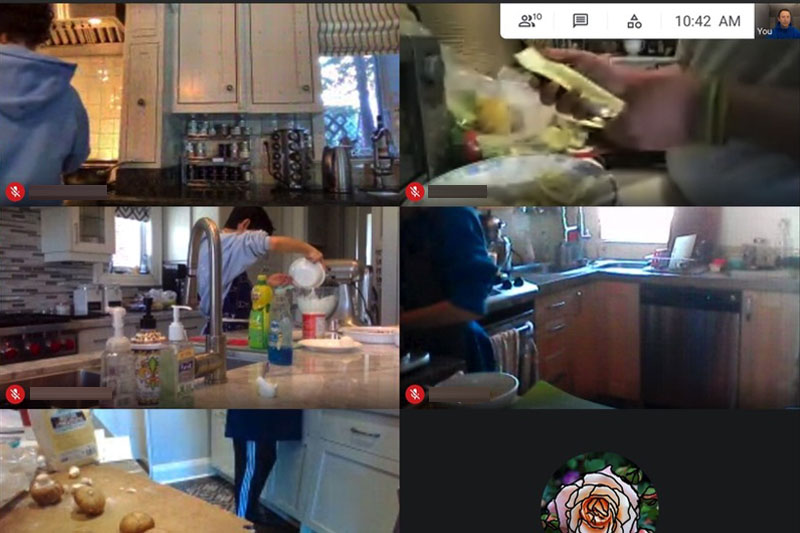

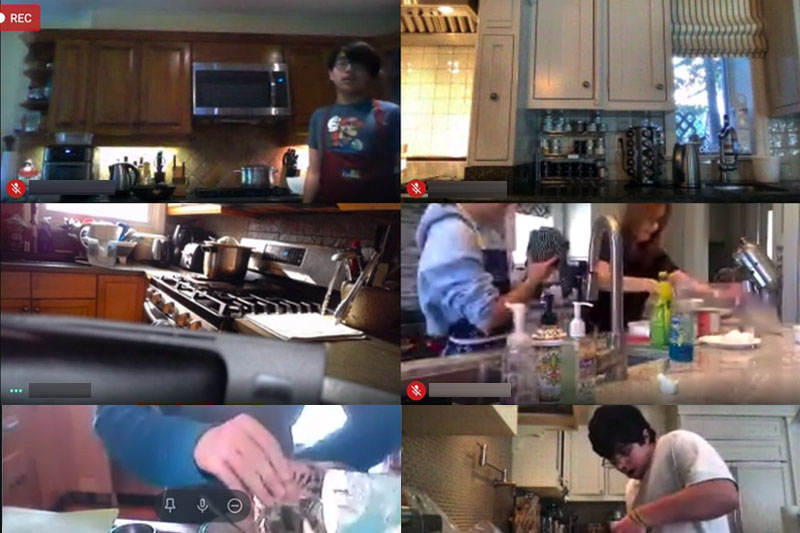

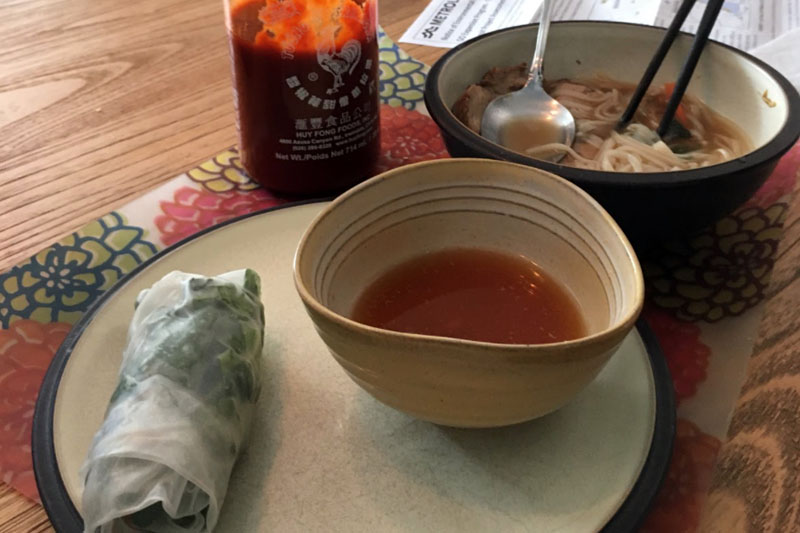
While we couldn’t cook at school, or share our culinary creations with each other during a potluck, the Food and Nutrition class made the best of our situation, and moved our meal preparations into the comfort of our own kitchens. Over the course of the 5 week octomester we had 4 “cookoffs”, in which the students practiced a variety of important meal preparation skills in the very environment that they should be applying those skills now and in the future. Each meal required that the students demonstrated specific knowledge or skills that they had learned and practiced during each unit. By cooking at home they were able to develop some comfort and familiarity with their own kitchens and in doing so make cooking for themselves and their families more accessible. Though I cannot be certain, as I was unable to taste test them myself, by all indications they made what appeared to be some super yummy creations.
Test Anxiety and Study Habits

The time leading up to your test can often be stressful and anxiety-inducing. Being in a high-pressured situation can actually deplete or take away from your working memory and reduce your academic performance.
We call this choking.
Choking is not exclusive to kids/students, but is also experienced by adults. This form of anxiety is seen everywhere and in everyday life, but let’s just focus on academia.
It is not unusual for students to feel anxious about school, sitting a test or even having to do a presentation. The issue now is what can we do to help reduce our academic anxiety? Here are my favourite tips for dealing with academic anxiety:
- Practise positive study habits and stay organized
- Make use of study tools.
- No crash studying.
- Review your material often.
- Use a bullet journal or an agenda to help stay on course.
- Practise self-care
- Go for walks in your community with a friend, your parents or take the family dog for a walk.
- Exercise.
- Have a well-balance diet and get enough sleep.
- Talk about your worries with someone
- Talking about stressful situations can help put things into perspective and help to find solutions.
- Write about it
- Writing about your worries can help to reduce mental distress and improve your overall well-being.
- Bonus: Writing about positive feelings, such as things in your life that you are grateful for or proud of, can also help to reduce anxiety and depression.

To decrease the stress and anxiety that we feel before upcoming tests, it helps to feel prepared and organized. As mentioned above, leaving studying to the last minute is not the best way to do this. There are some great ways that we can spend the semester/octomester preparing for upcoming tests, evaluations, and culminating projects. Here are a few great options to try:
- Create an ideal study environment
- This will look different for everyone based on their learning styles and strengths. Some will need a clear work surface with no distractions and a checklist, others may thrive with a laptop on the couch and music in the background. Know what works well for you, and create that environment when you need to study.
- Maintain lists
- It’s important to have a to-do list that you can see in order to prioritize your assignments, activities, and study time. It’s also satisfying to cross off the items on your list!
- It can also be helpful to keep a separate list of things that occupy your mind while you are trying to study. These can be worries that pop up, or other things that you want or need to do. Keeping a blank piece of paper beside you (or a separate app/tab on the computer) allows you to notice these thoughts, track them, continue studying, and return to these thoughts later.
- Review materials
- Studying doesn’t just mean re-reading slideshows or re-writing notes. Teachers at the Academy preset their information in multiple ways to cater to all learning styles.
- You can re-read or re-write if that works for you, but you can also review additional resources provided by your teachers, watch the lesson again if it was an online recorded lesson, answer bonus questions, or even create your own questions!
- Focus on Main Ideas
- If a word, topic, or subject is mentioned more than once, that implies importance! Pay attention to the themes that repeat and try to further your understanding in those areas.
- Note-Taking
- If you are taking notes in class or while watching a video, keep the notes brief. You want to be able to communicate your thoughts without missing more content.
- Use short sentences and abbreviations rather than whole sentences.

There isn’t one method that will work well for everyone, and the methods that work for you may change as you get older. Try different techniques and see what works best for you. You can read some more Study Habits tips and tricks here. If you ever have questions about how to study, where to access more resources, or want to discuss your test anxiety, remember you can reach out to your teachers, support staff, and the guidance counsellor.
Written by:
Brydie Smith – Educational Assistant
Jamie Banton – Student Life Counsellor
Creating with Code
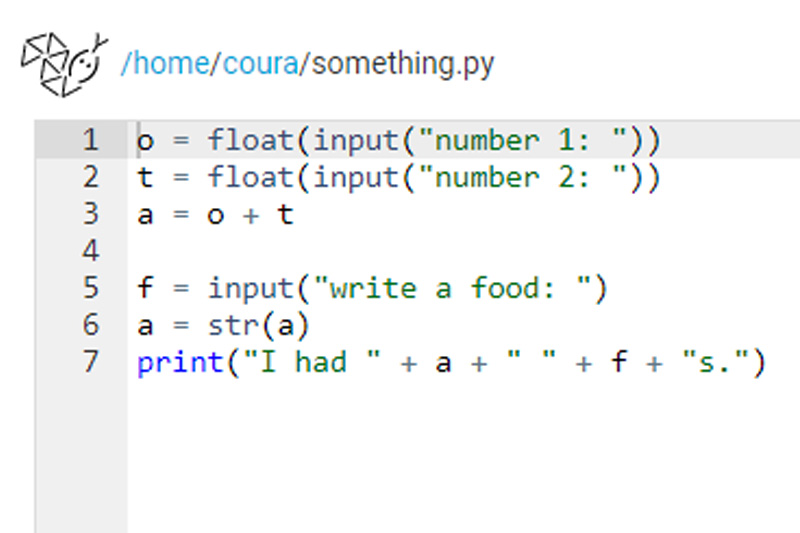
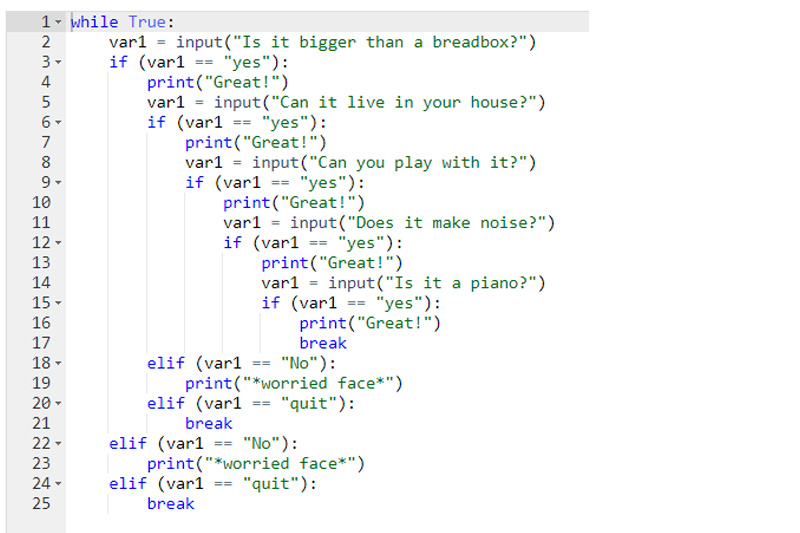
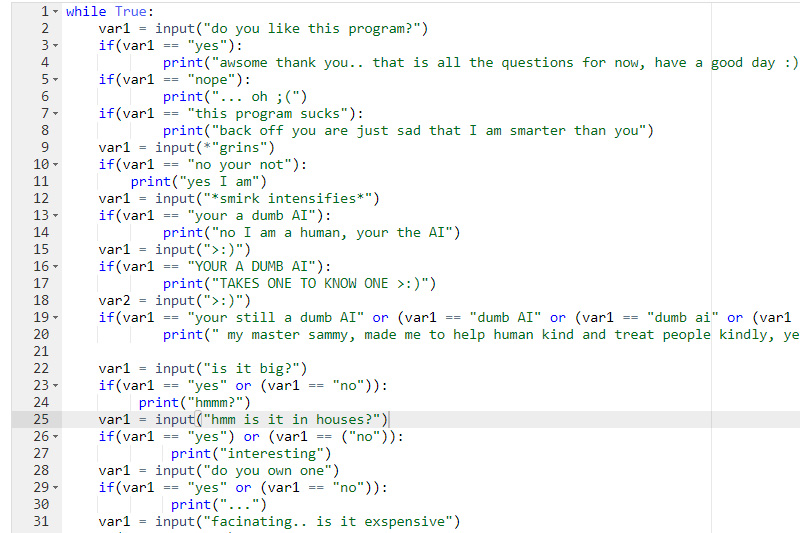
In Introduction to Computer Studies we have spent the past week working with python, a simple programming language that is the basis for many programs and games that some may be familiar with. We have been creating basic programs that allow users to input commands and interact with the program. This includes a question and guessing game where users are trying to guess what the computer is “thinking of.” It can be a challenging unit for some learners, but most find it the most rewarding because they have a list of products to look back at and see how far they’ve come.
Constructing Cold Frames
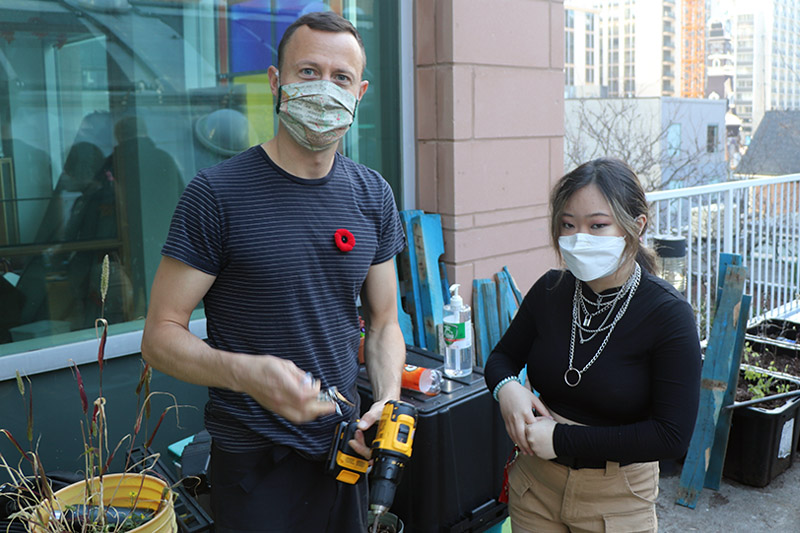
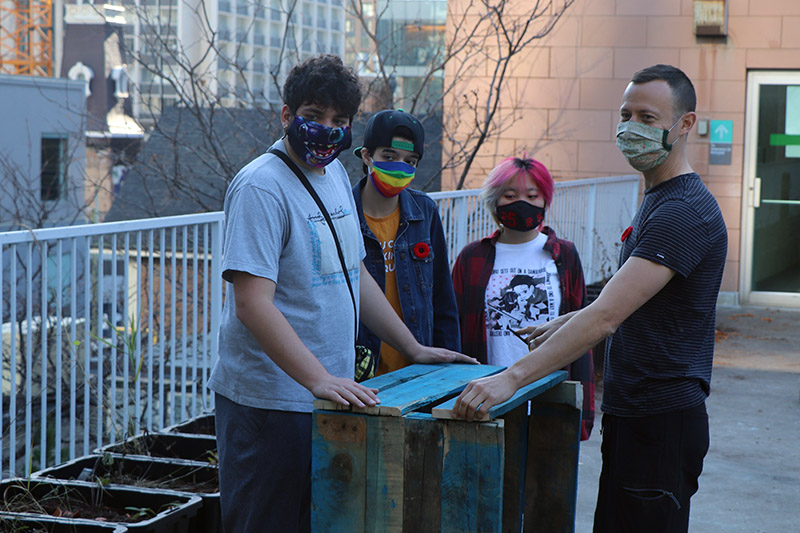
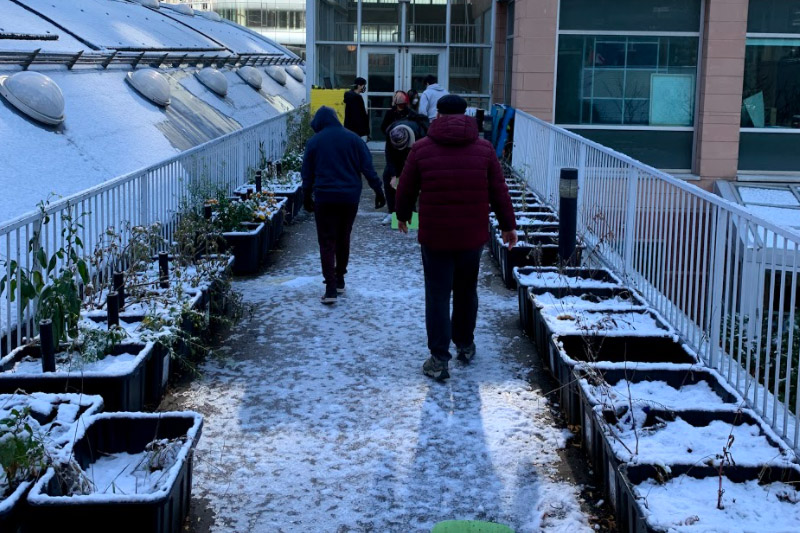
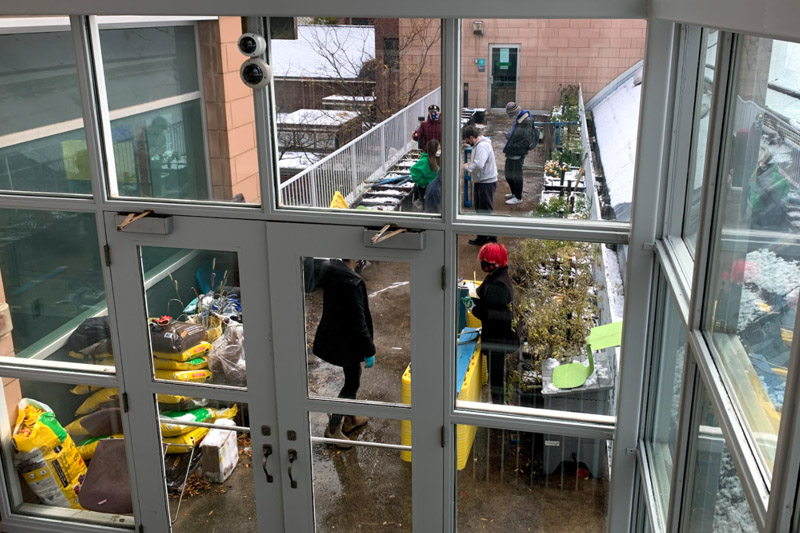
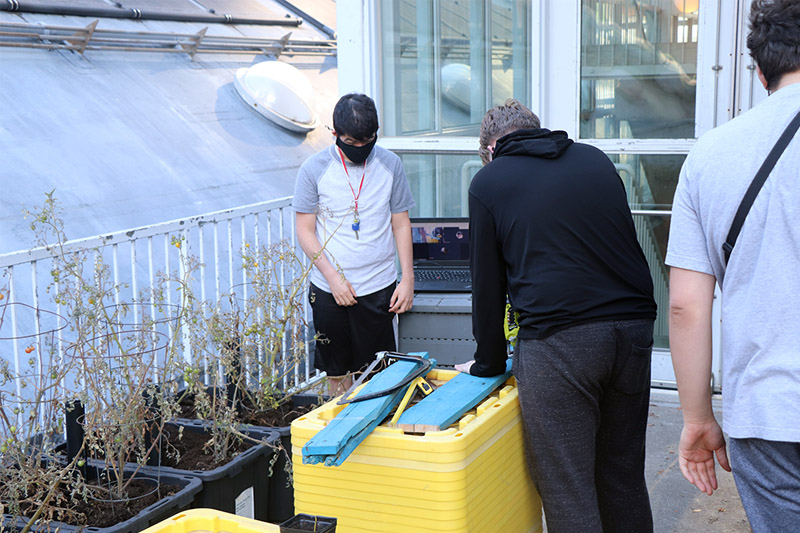
Teaching a course like Green Industries can be tricky in the fall season, headed into a cold Canadian winter, as a big emphasis of the course involves growing plants. This presented a perfect opportunity to introduce the concept of “cold frames”, which allow gardeners to keep growing crops outside even in Canadian winters. What’s more, we were able to upcycle the pallets that we had our soil delivered on, and use them as the material to construct our cold frame. Waste management is another emphasis of the course, and learning about reusing materials to build something practical and productive, as opposed to sending them to a landfill is a win-win-win. Stay tuned to see how our crops flourish in the next month!
Planting Native Species With the TRCA
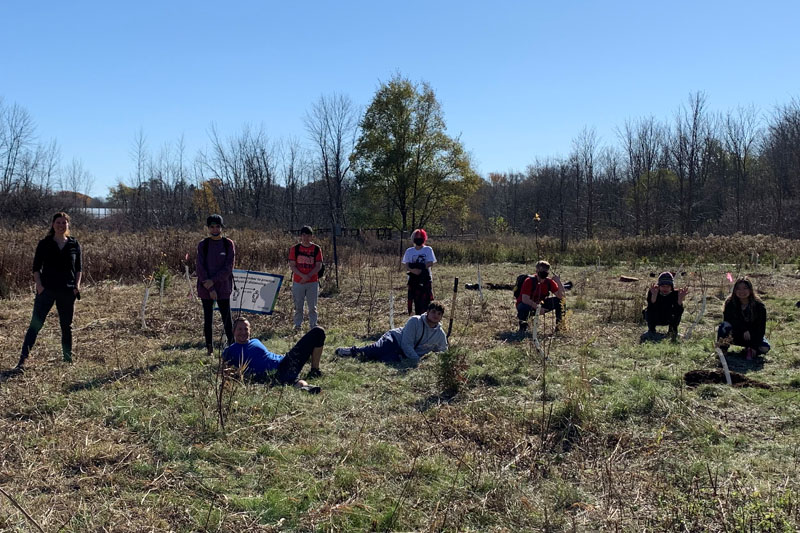
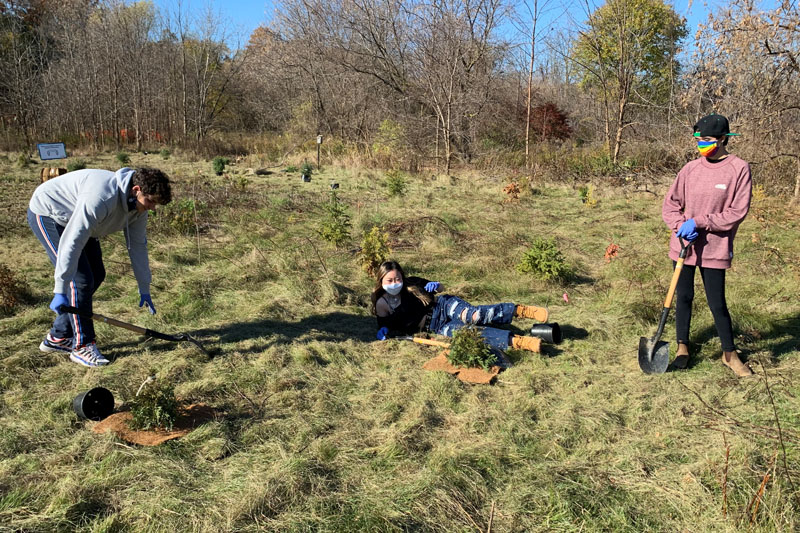
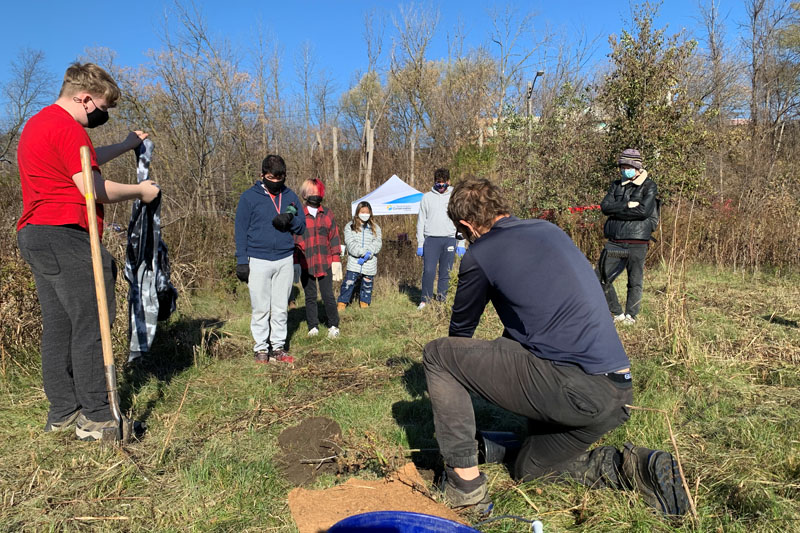
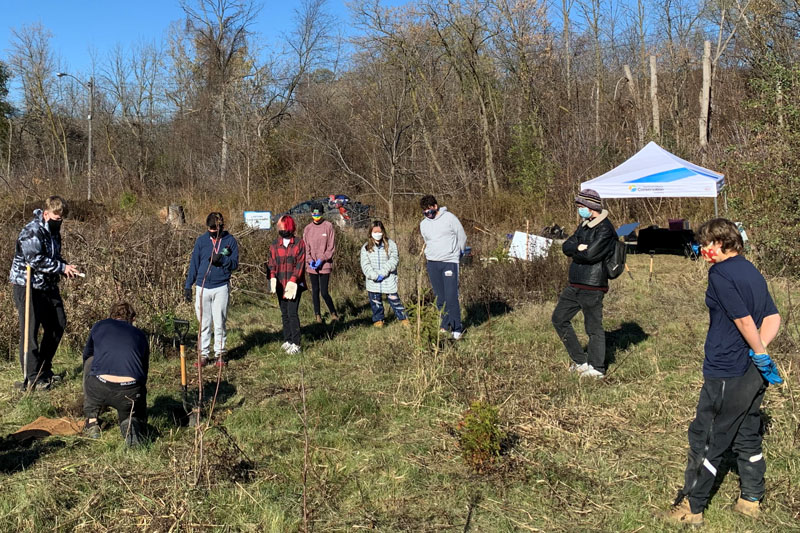
After being put to work outside in the cold rain and ice, during many of our Green Industries classes, I was hoping that Mother Nature would make it up to us for our trip to a natural area in Etobicoke to team up with the Toronto and Region Conservation Authority (TRCA). Fortunately, we were treated to a sunny day and 18*C weather. The sun energized our group as we spent 2 hours of hours planting a variety of different native plant species, while learning the importance of establishing and propagating such species for ecosystem health and improving biodiversity. The students worked hard, and were rewarded with leftover halloween candy and lunch at the Sherway Gardens food court. The TRCA crew was so impressed with our effort and attitude that they are eager to maintain a partnership with our school and excited to invite us back out to a variety of different efforts and initiatives that they’re working on around the city.
Check out more photos from this event on our Facebook page!