WWII Newspapers – Touching History

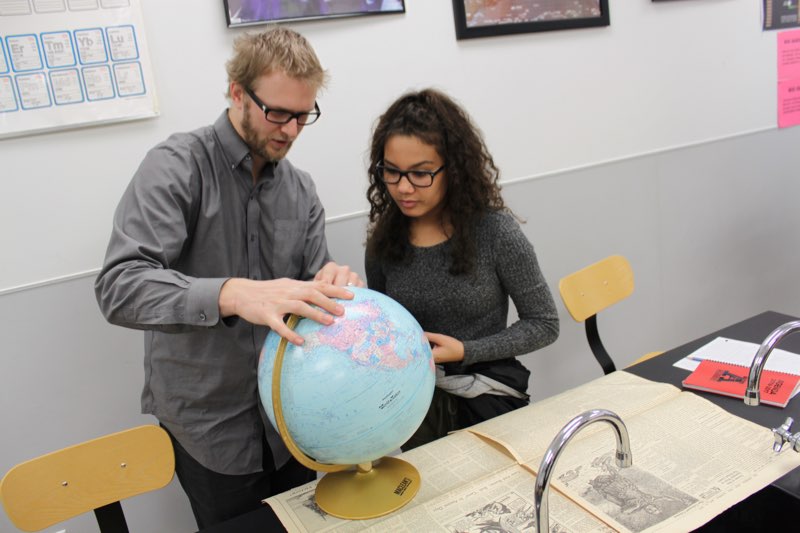
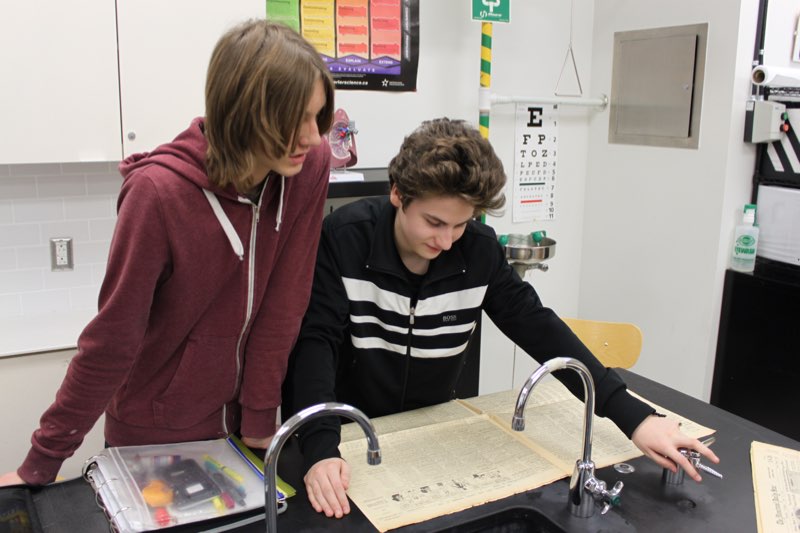
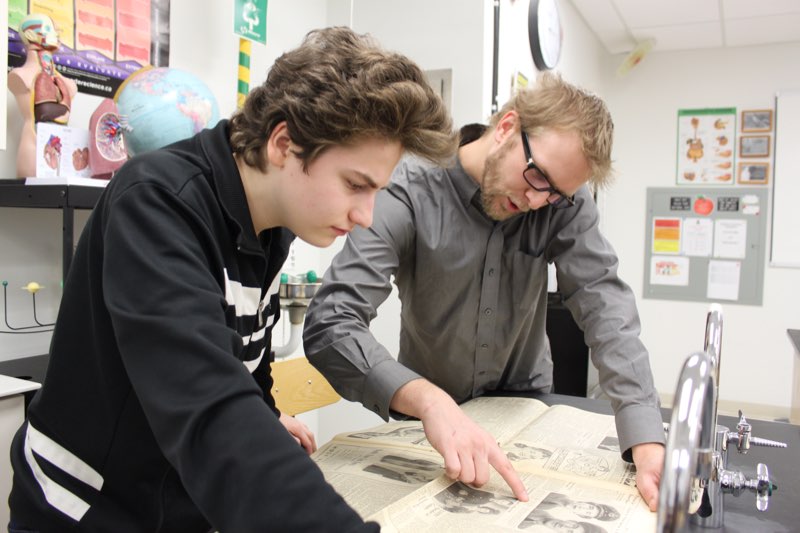
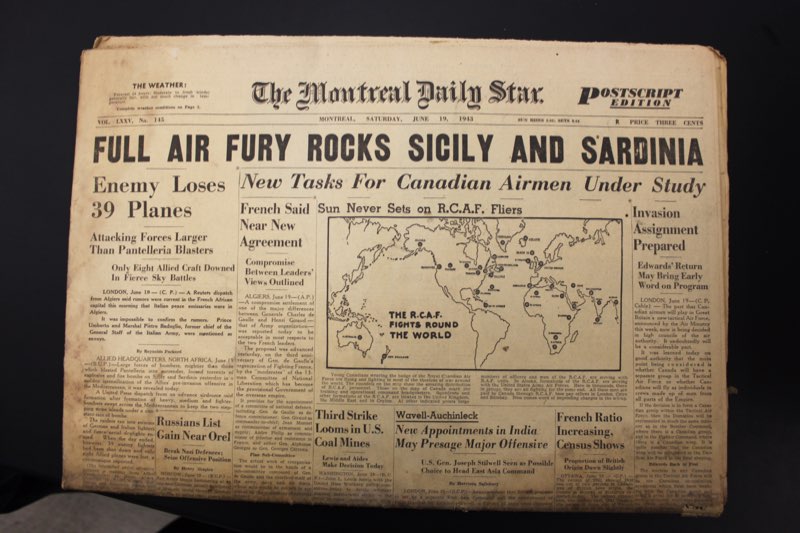
YMCA Academy Grade 10 Canadian History students excitedly crowded around a Montreal Star newspaper dated August 11th, 1943, laughing at the prices of new business suits at $5.95. Once the stack discoloured papers were distributed to each student they were asked to become historical investigators and look for clues about the past in the articles and advertisements. Primary sources offer a window into historical perspective that many historical texts, and papers can’t match. There is something exciting about being able to reach out and touch the past.

An advertisement for Leg Tint caught the eye of some students, leading to a discussion on why women from Canada in the 1940s would want to tint their legs. The concepts of rationing, standards of beauty, price inflation, modesty, and paratroopers all organically sprang up from the conversation around a single advertisement from 1943. It made sense that nylon was being diverted to making parachutes making nylons to come by for women during the war. It was surprising to learn, though, that women would use makeup to tint their legs and draw fake seams in order to give the appearance of wearing nylons.

Students also discussed the feelings that people from the past might have had when reading about certain victories and defeats in the newspaper. These stories may have inspired pride, or fear, or anger for a variety of reasons. The hands-on, experiential inquiry that can happen with objects and documents from the past allowed the Grade 10 Canadian History class to get a little bit closer to seeing the past through the eyes of those that lived there.

Check out more photos from this event on our Facebook page!
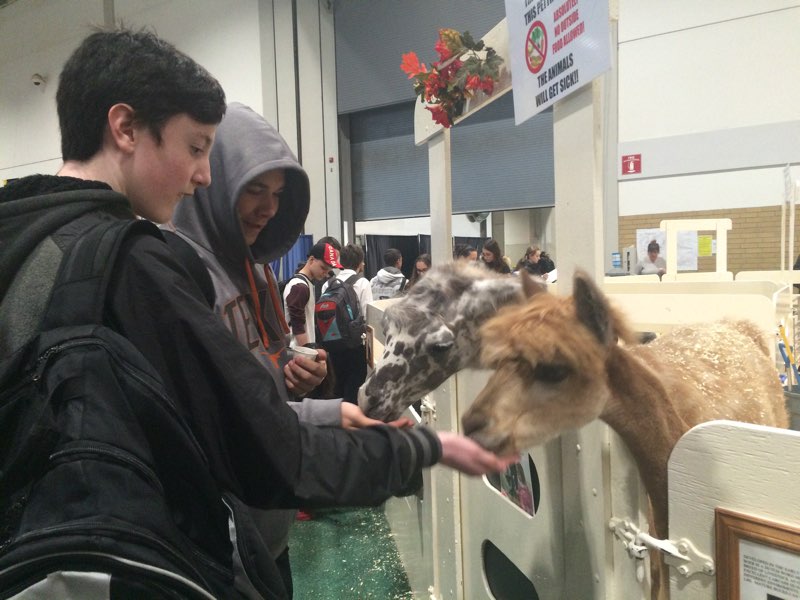
Visiting the Royal Winter Fair

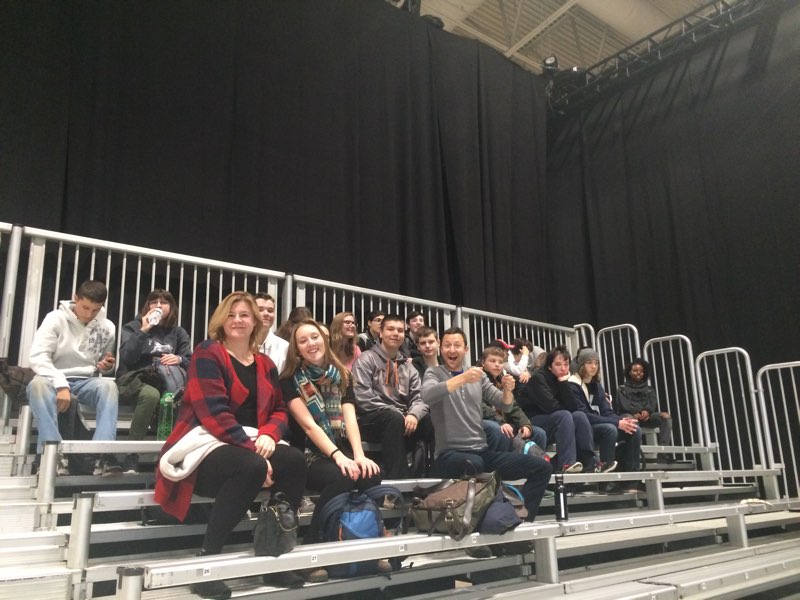
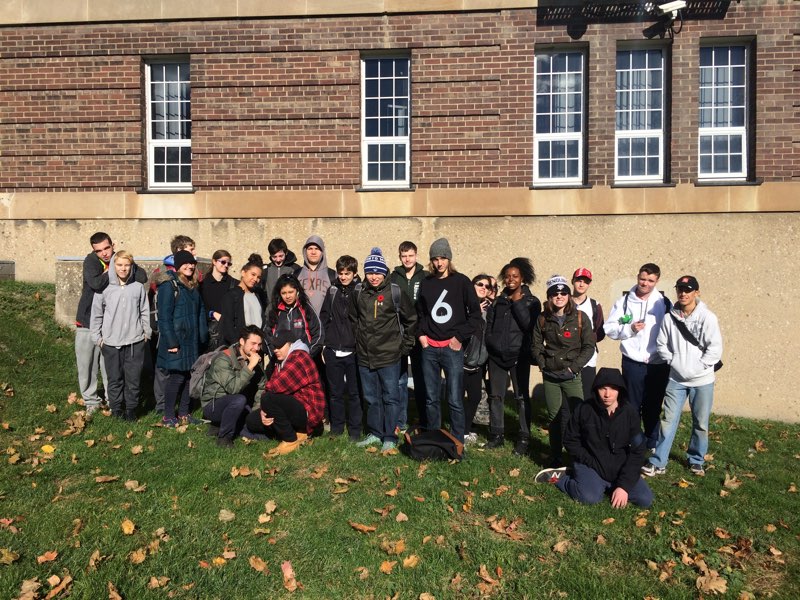
Four of the YMCA Academy’s classes made a trip down to the annual Royal Winter Fair on November 11th, stopping along the way to observe a minute of silence in the sun.

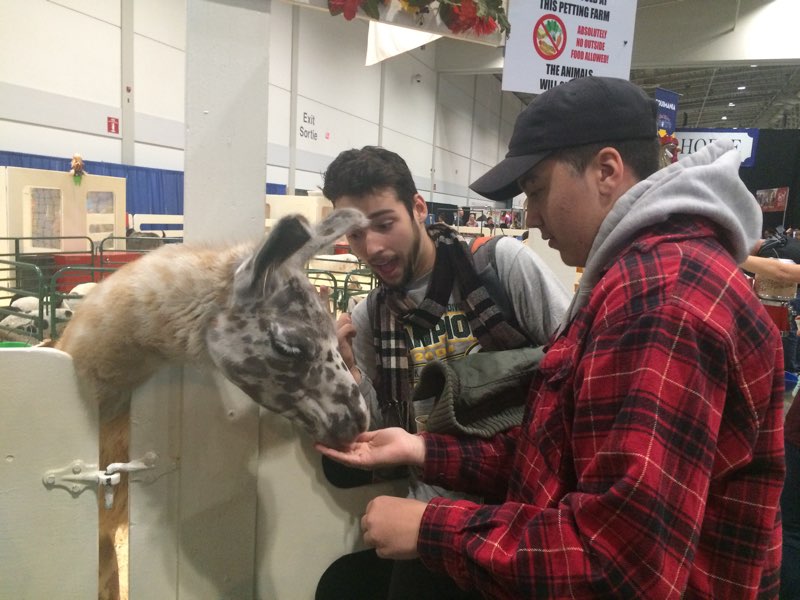
Once there, we saw horses practicing their jumps, spent some time feeding (and of course petting) the animals in the petting zoo, saw some incredibly large vegetables grown by some incredible farmers, and watched the awesome Super Dogs show.

Students had the opportunity to meet some of the talented canines, and to work on a variety of assignments including taking photos of all the sights they were experiencing, planning what they would write, and discussing food nutrition and the positive aspects of locally grown produce.

The trip has become a much enjoyed annual tradition, and this year was another great one.

Annual Cedar Glen Trip

October is that time of year where the leaves turn red, orange, and yellow, presenting us with a breathtaking display of the best of nature. It is also the time of year where Academy staff and students gear up for one of the year’s most anticipated and loved events, our annual trip to Cedar Glen. Whereas most years our pilgrimage to Cedar Glen is around the middle of October, this year’s excursion was at the end of the month, the latest we have ever gone. As such, we experienced a much colder experience this time around.

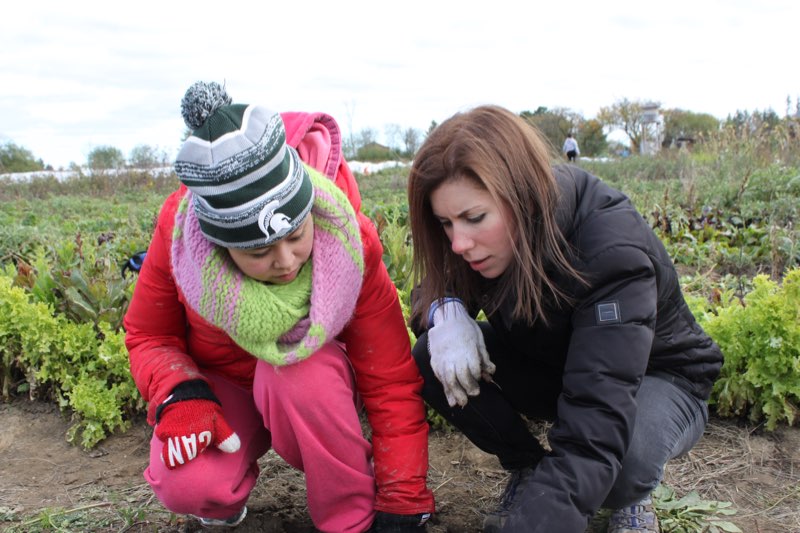
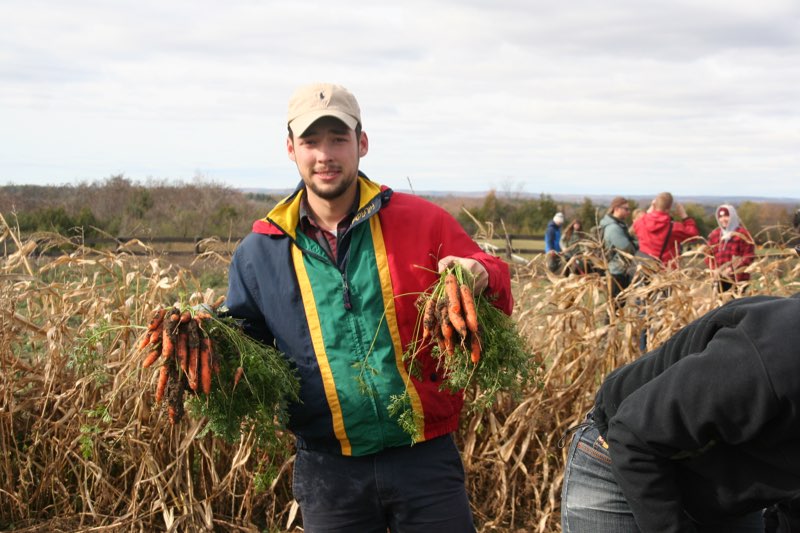
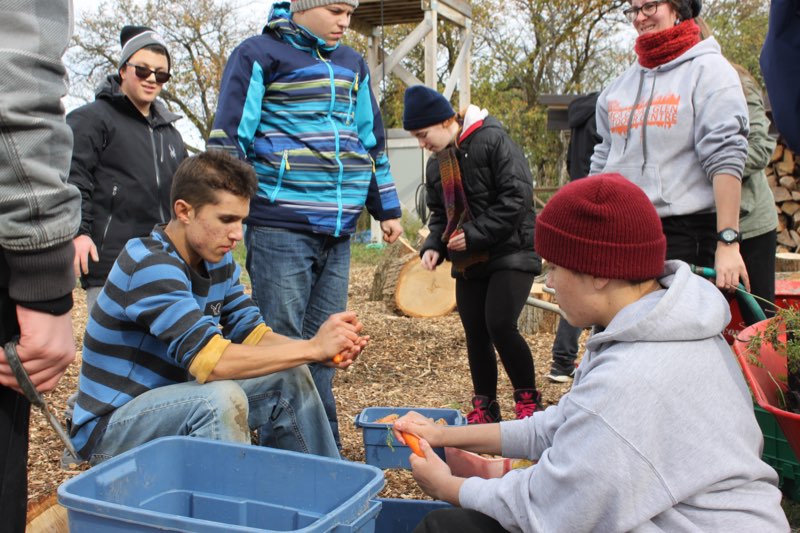
For the second year in a row, in lieu of our tree planting as our school’s means of environmental stewardship we spent the first day at Cedar Glen working their on site farm. This year’s farm was much more advanced than last years, which gave our staff and students the opportunity to try their hands at many new farming activities. On our second day the weather decided to test us and turned cold, overcast and gave us intermittent rain.

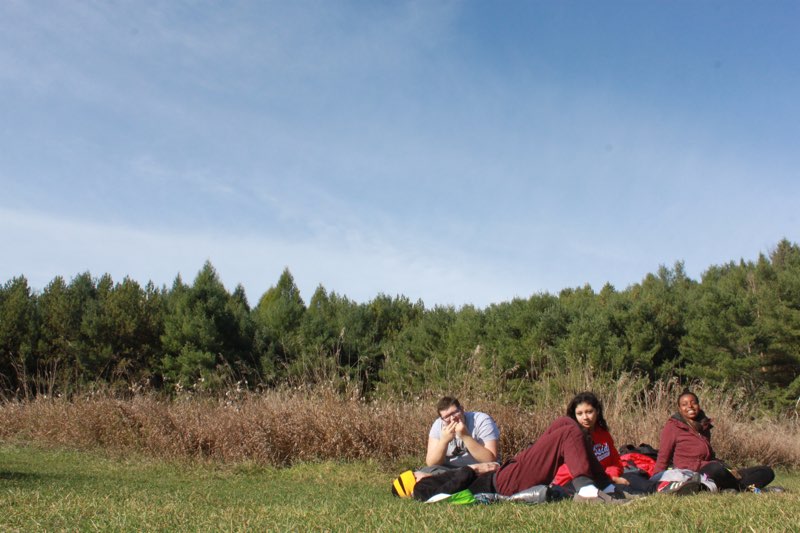
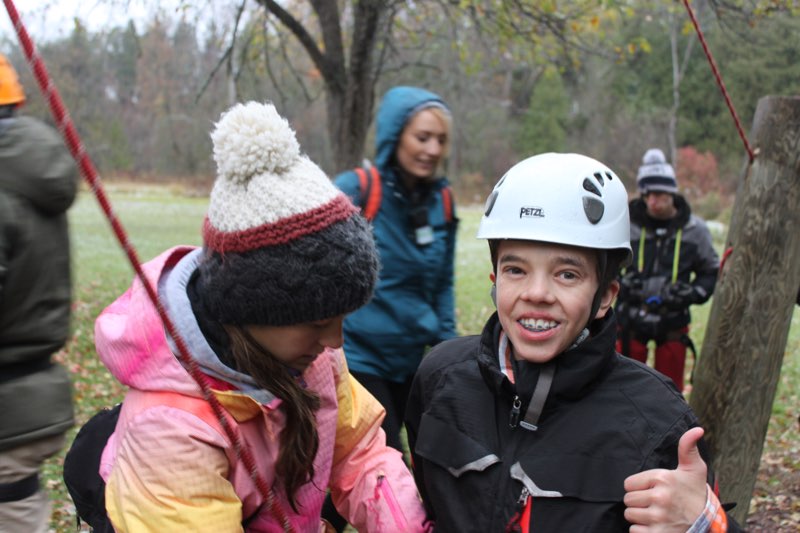
Not to be intimidated by cold or precipitation, more than half of the staff and students chose to be outside for programming, while the remaining minority settled for warmth and board games indoors. Our last day was one with a bright blue sky and beautiful weather (which we wished would have made an appearance the day before) and as always, a bit of excitement about going home to our own beds, as well as sadness for having to leave a place that we love visiting. We impatiently wait until our next year’s visit.

Check out the rest the rest of the pictures on our Facebook page!
Album One | Album Two | Album Three

Visiting the Ontario College Fair

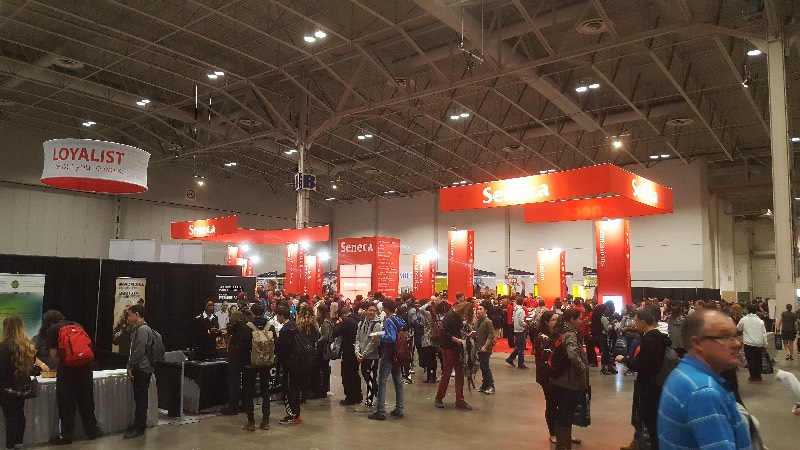
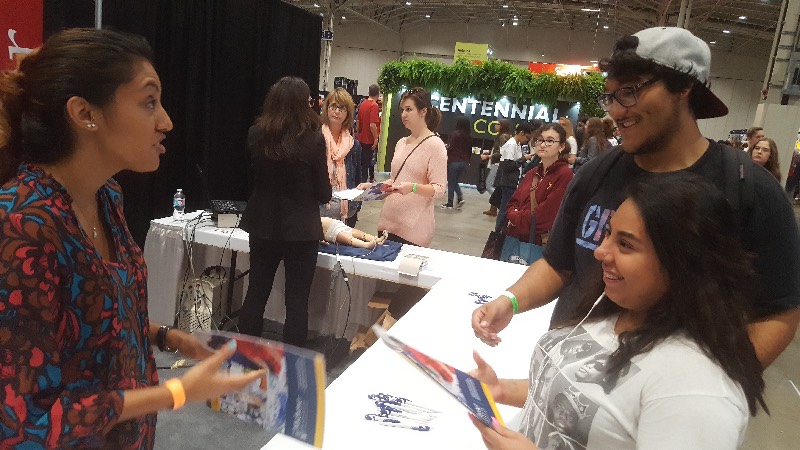
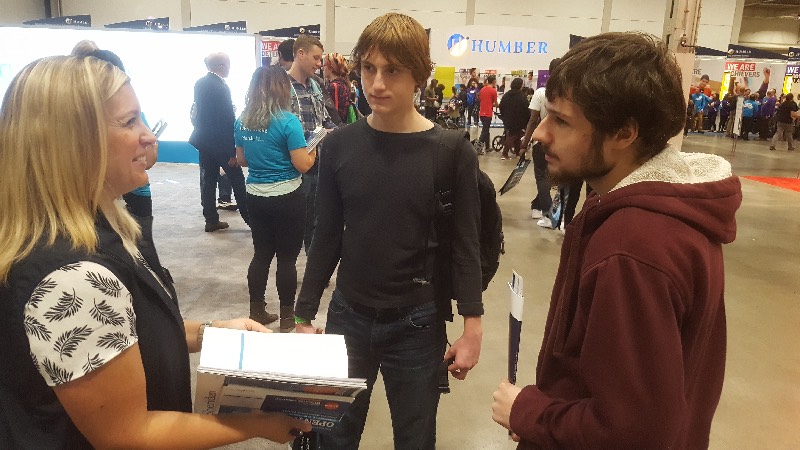
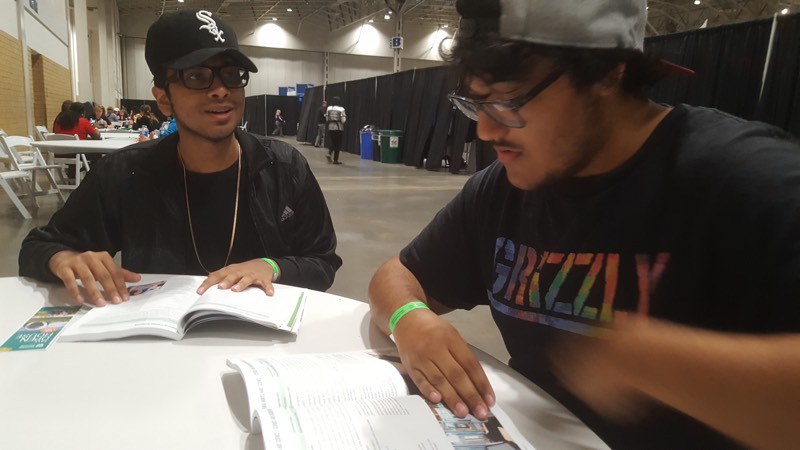
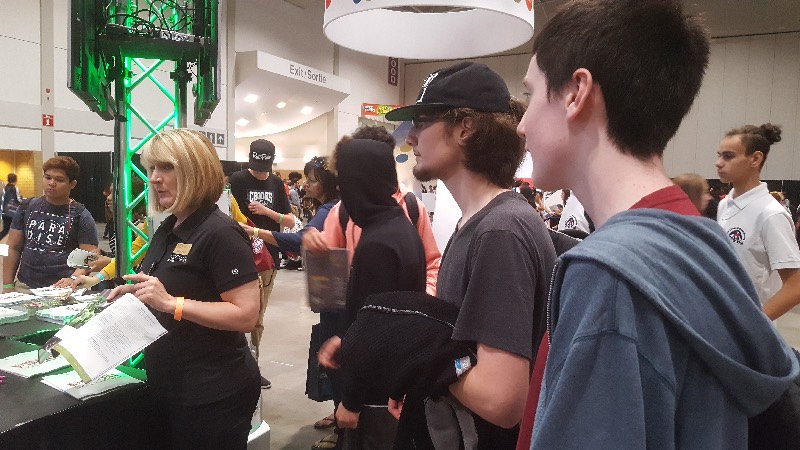
On October 18th, the Academy’s senior grade eleven and twelve students made their yearly pilgrimage to the Ontario College Fair. The students journeyed from booth to booth with the opportunity to ask questions to current college students and professors. The visit was a first for the grade eleven students. This first visit is meant to get them prepared and thinking about what they may like to study and which schools they may want to study at a year in advance of their actual application process. For the grade twelve students, it was their second visit, this time focusing in on the schools and programs they have already chosen for their applications.

The Elephant Toothpaste Lab

Chemical reactions occur all the time around us. Whether it is a cookie baking in the oven or a battery producing electricity, chemical reactions drive the world around us whether we notice them or not. There are eight types of chemical reactions, four of which we focus on in grade 10 chemistry. These reactions include:

  1. synthesis
  2. decomposition
  3. single displacement
  4. double displacement

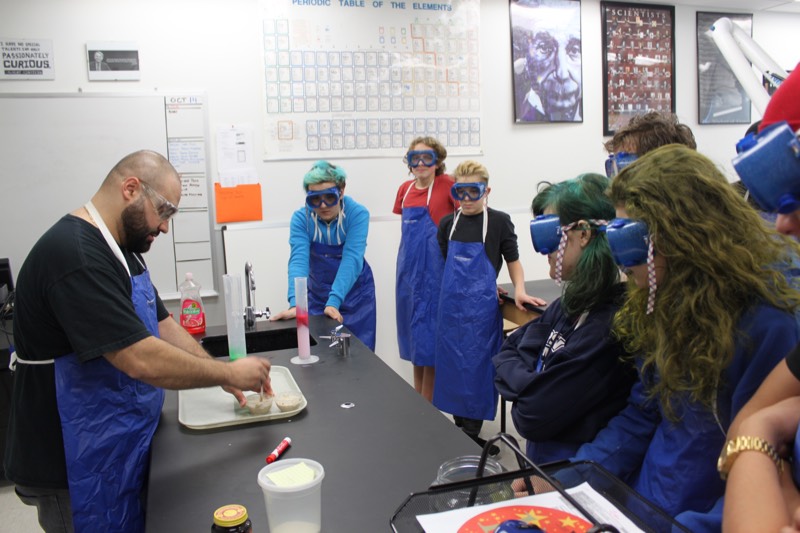
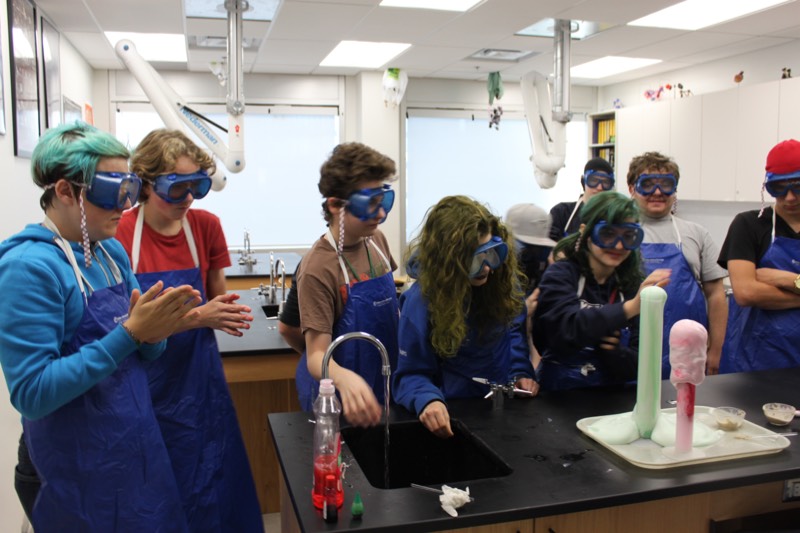
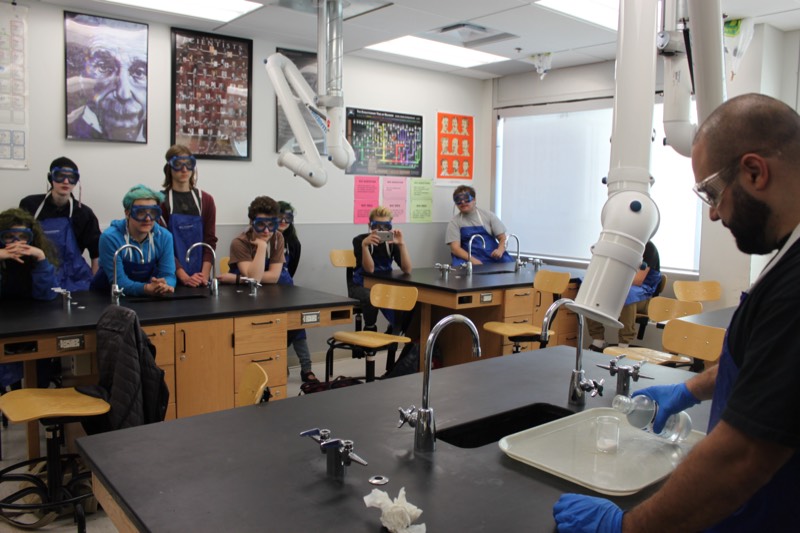
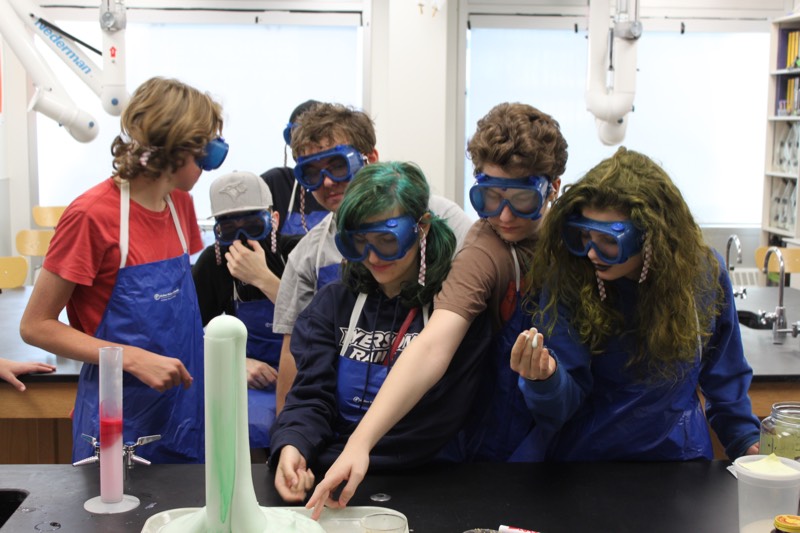
Learning about the chemical formulas that represent chemical reactions although important, is no where near as exciting as seeing what these chemical reactions look like in real life. In order to help students see past the equations, we can carry out slightly scaled up chemical reactions in the classroom to bring them to life. One such reaction that is a perennial favourite is the “Elephant Toothpaste” reaction, so called because the end product looks like a large tube of toothpaste being squeezed out of a bottle large enough to clean an elephant’s teeth.

The reaction is an example of a decomposition reaction. Hydrogen peroxide is mixed with some dish soap (and food colouring for effect) and then mixed with either potassium iodide or baker’s yeast mixed with warm water. The hydrogen peroxide decomposes into water and oxygen. With the aid of the potassium iodide or baker’s yeast as catalysts to speed up the reaction, the oxygen enters the soap bubbles causing the substance to quickly expand out of its container and overflow like squished toothpaste all over the table. The result is an exited room of students and a happy science teacher.

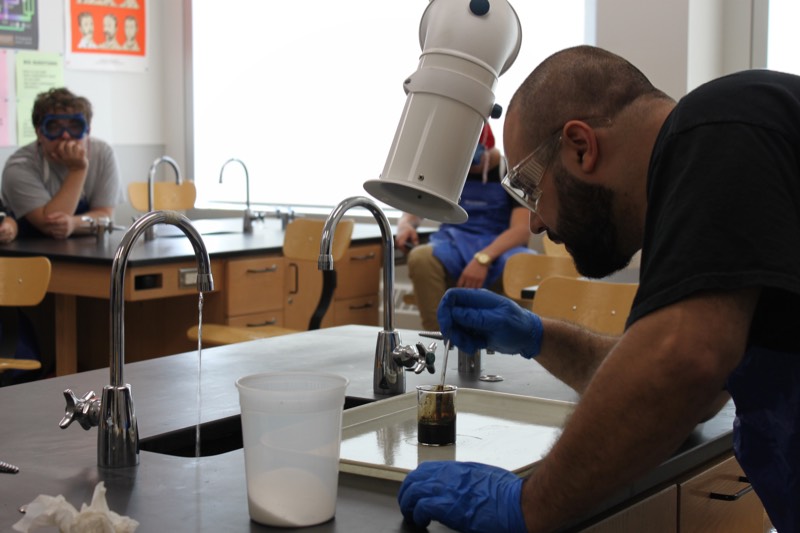
Another demonstration of a chemical reaction that is very captivating is the dehydration of sugar by sulphuric acid. In this demonstration, sulphuric acid is added to plain granulated sugar. Sulphuric acid being a dehydrating agent strips the sugar molecules of water leaving behind carbon. The outcome looks like a spectacular display of what looks like a giant snake appearing out of no where and which is quite the spectacle to witness.

Check out more photos from this event on our Facebook page!