Identifying Acids and Bases Lab

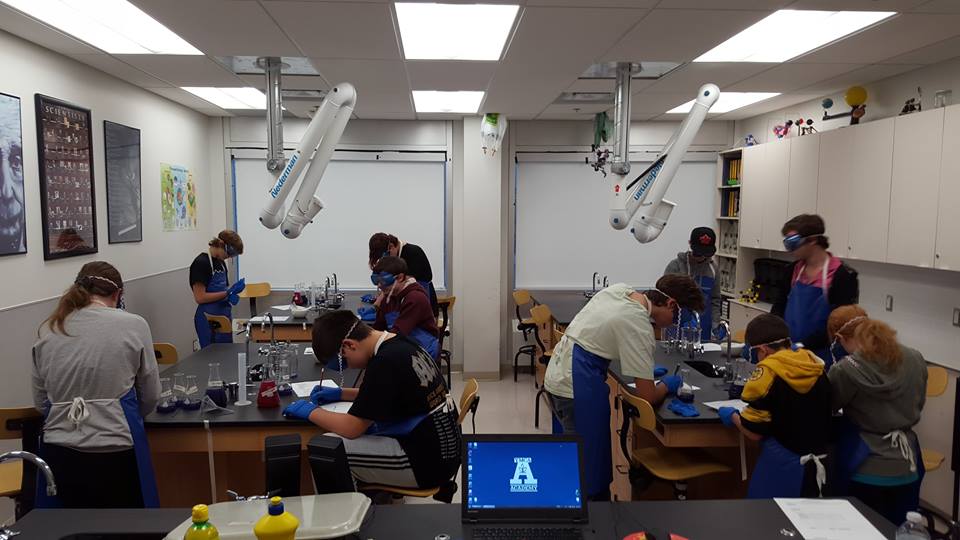
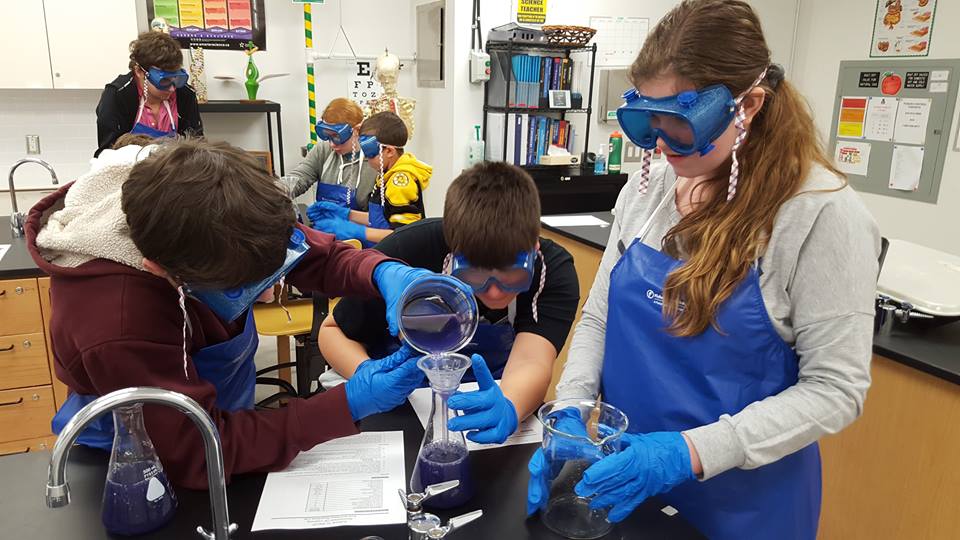
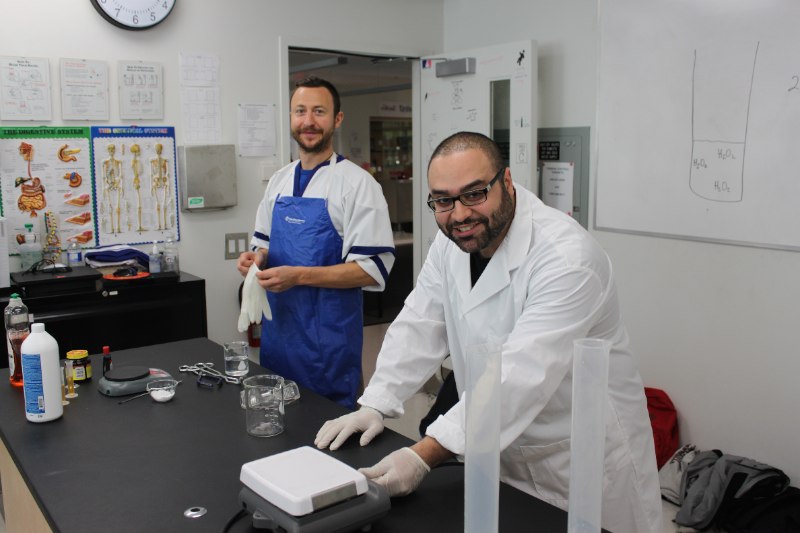
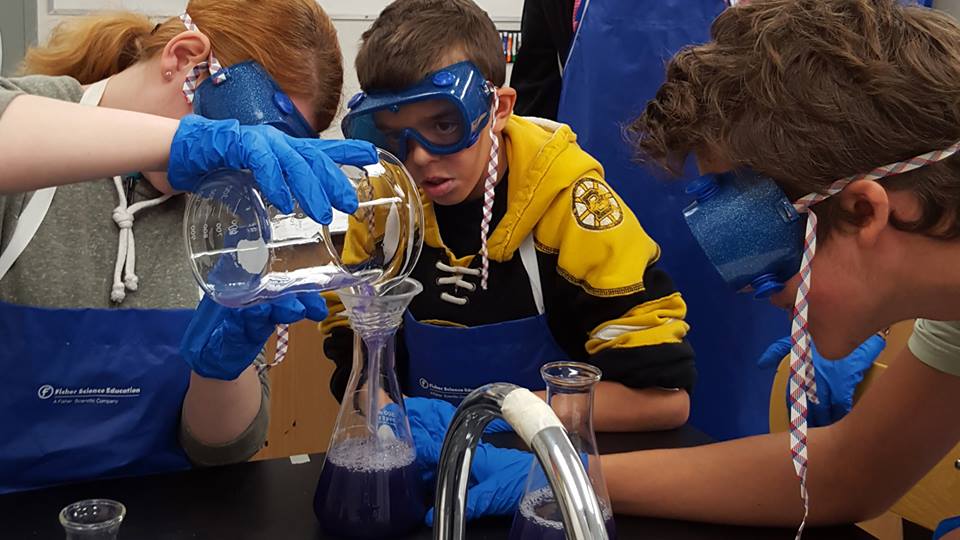
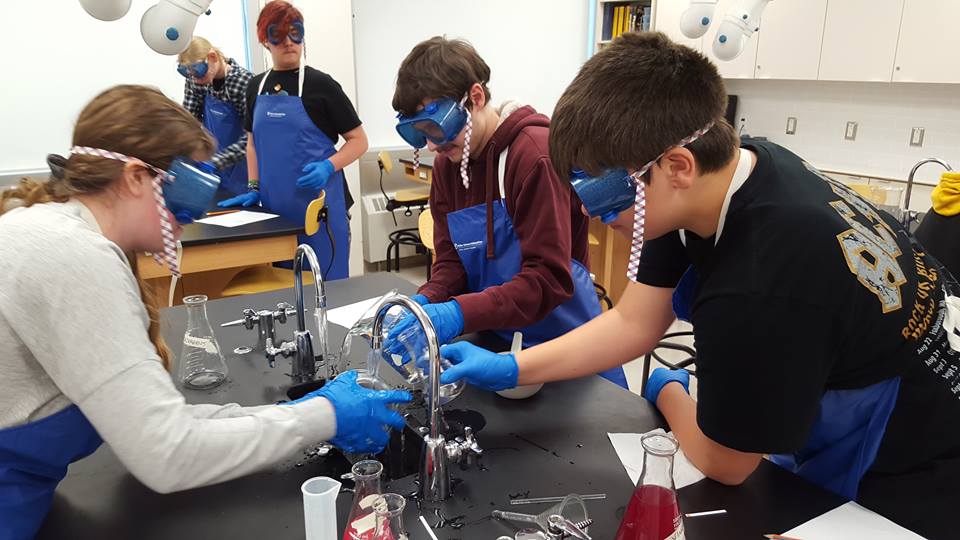
Acids and Bases are all around us. Some everyday objects are easy to classify as either acids or bases, but others are not so easy. The grade 10 science class performed a chemistry lab to determine whether or not a variety of everyday substances are acids or bases. Using red cabbage juice as an indicator, students tested a few everyday substances to determine whether they were acids or bases, and used litmus pH indicators to determine the pH level of the substances.

Elephant Toothpaste Lab

Learning about the 6 types of chemical reactions is not always exciting for everyone, especially if it is done solely through practice worksheets. Furthermore, simply discussing and being able to recognise the different types of chemical reactions can be somewhat intimidating to most students.

But life is not always about remembering equations and formulas, because let’s face it; most students forget the majority of the equations and formulas they have learned once they leave the walls of educational institutions. If, however, you can help students see through the equations and formulas and how they apply to the world they experience around them, they will remember that for many years after they have forgotten the formulas and equations.

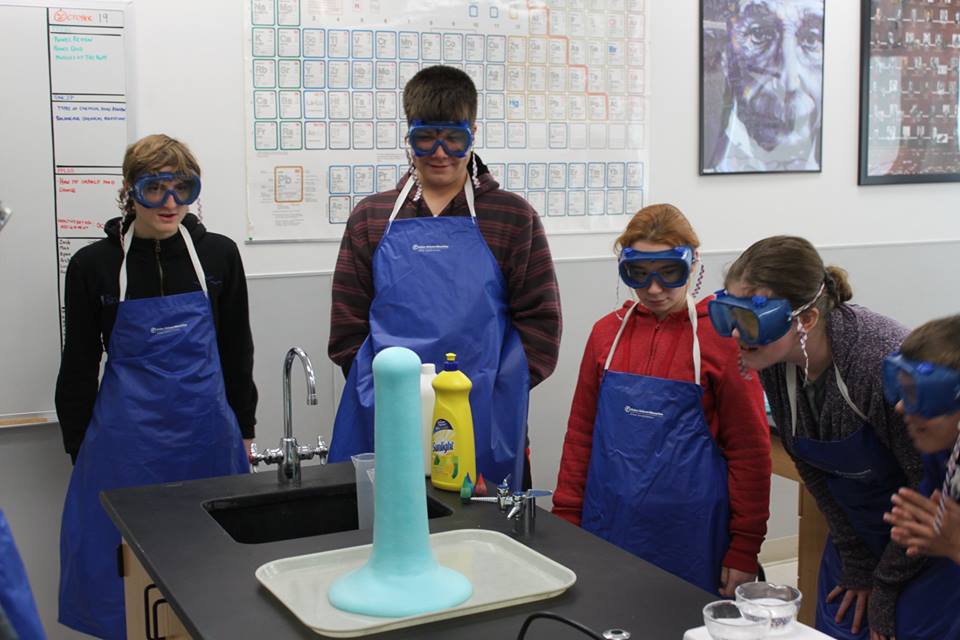
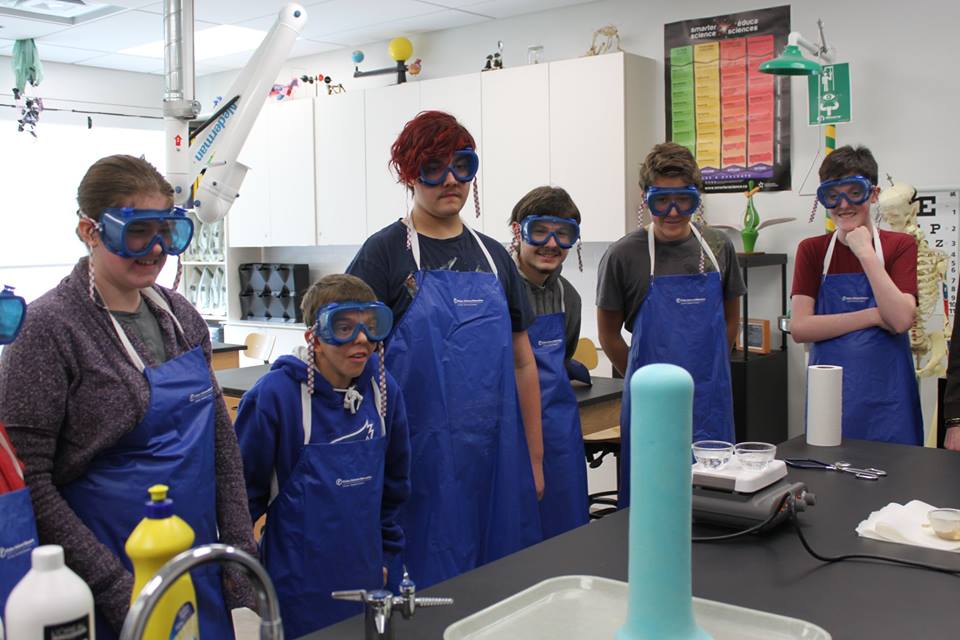
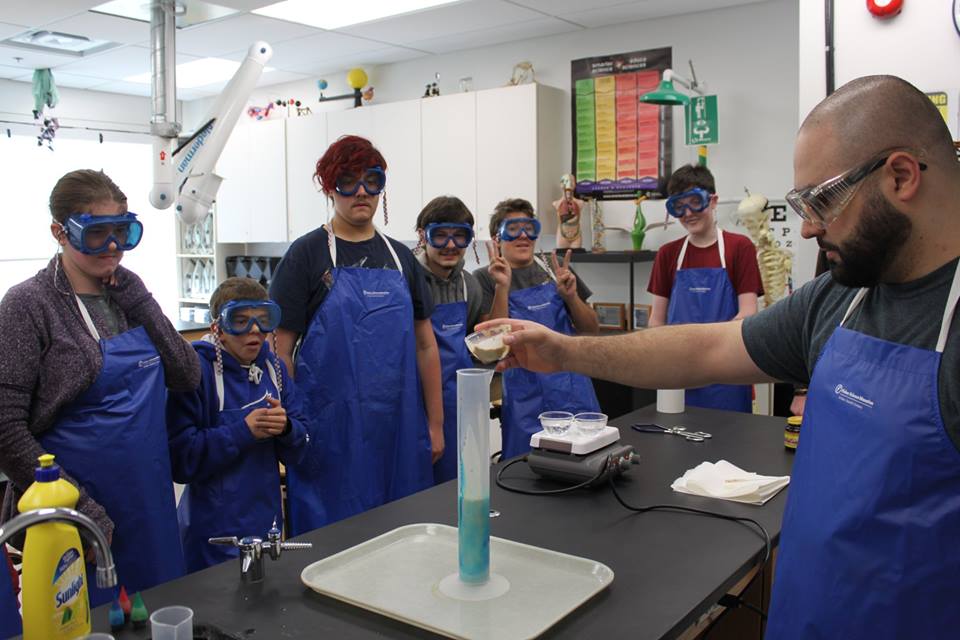
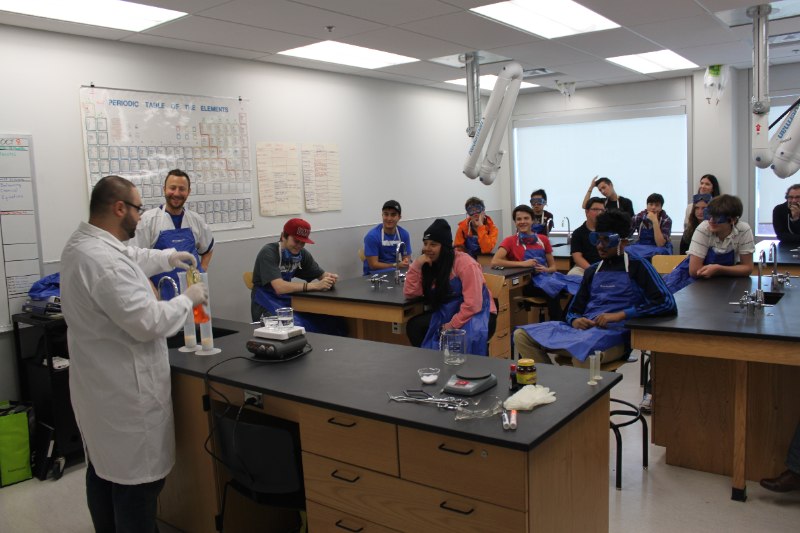
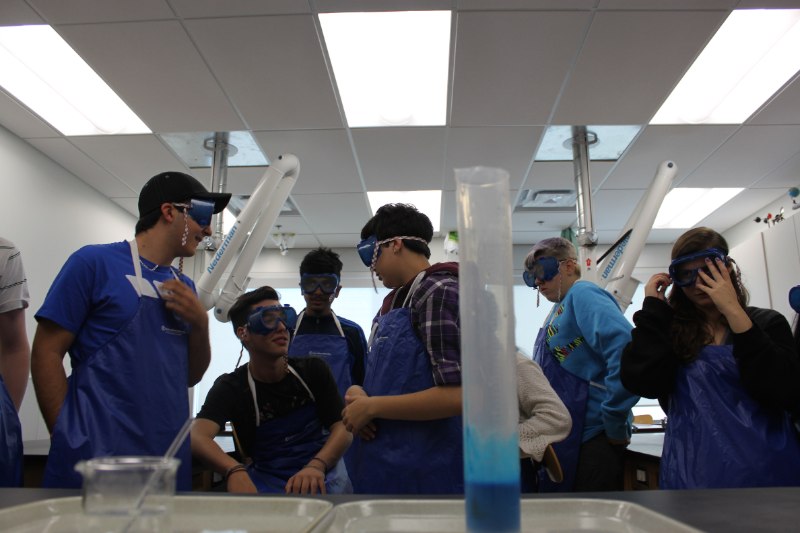
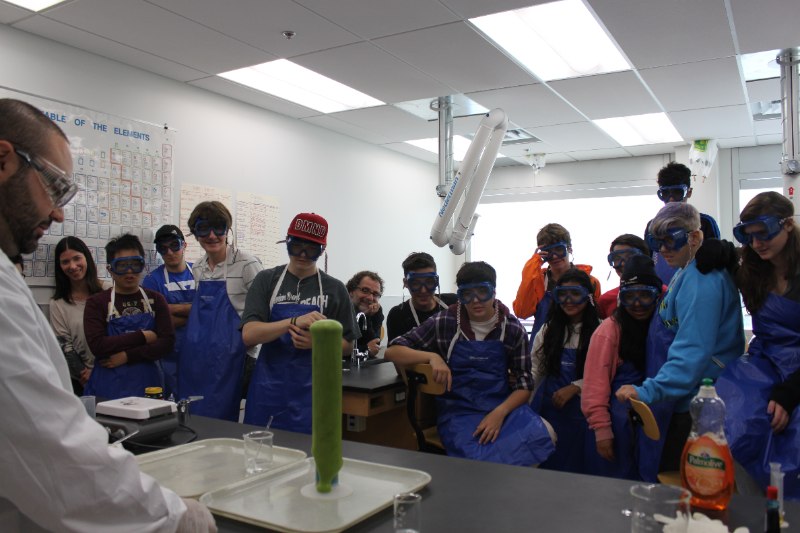
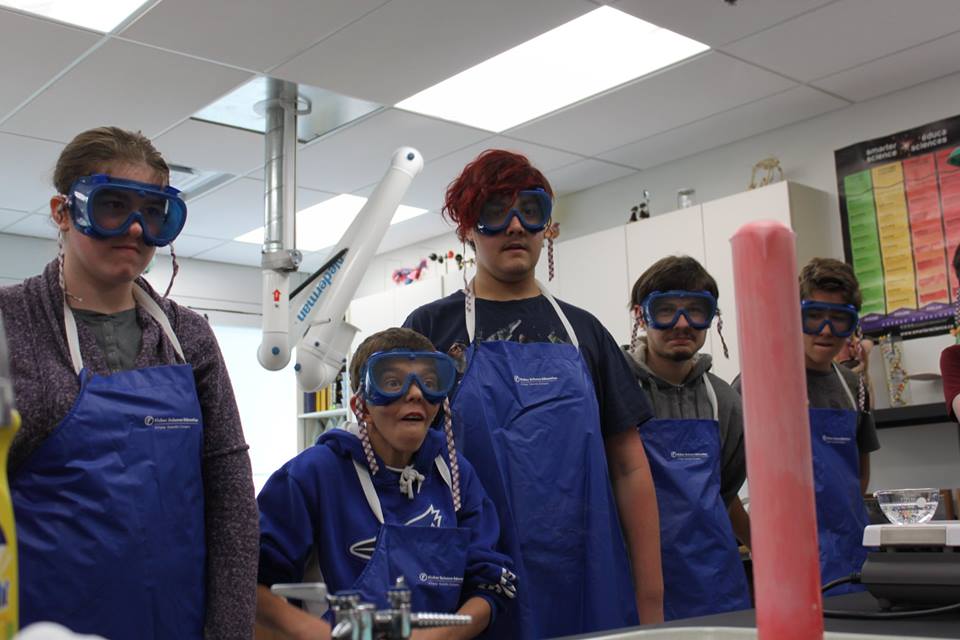
In order to bring the chemistry from the whiteboard and worksheets to life, we look at a real-time example of a decomposition reaction. We take a mixture of hydrogen peroxide and add to it a few drops of food colouring (for effect) and a few drops of liquid dish soap (for the wow factor). In years past, we have added yeast to speed up the reaction, but this year we tried potassium iodide and a higher concentration solution of hydrogen peroxide for a bigger and better effect. Alas, as happens in science from time to time, the reaction was no different than years past, however, the what the students witnessed still evoked the usual oohs and aahs as the oxygen produced from the decomposition of hydrogen peroxide quickly expanding the soap bubbles in the solution and quickly foamed up and over the graduated cylinder.

The Cosmos in the Classroom

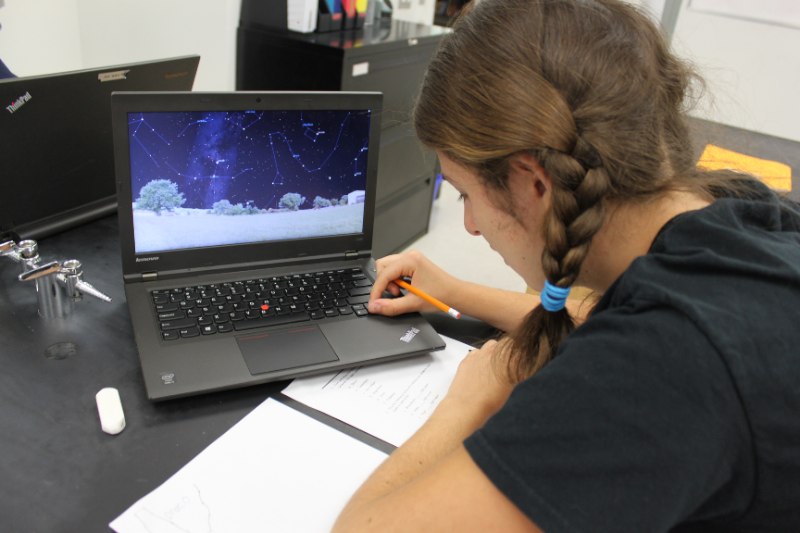
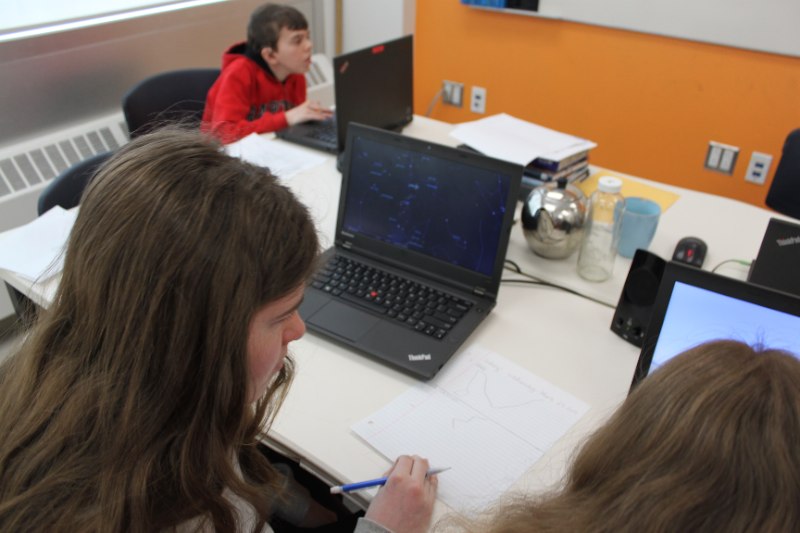
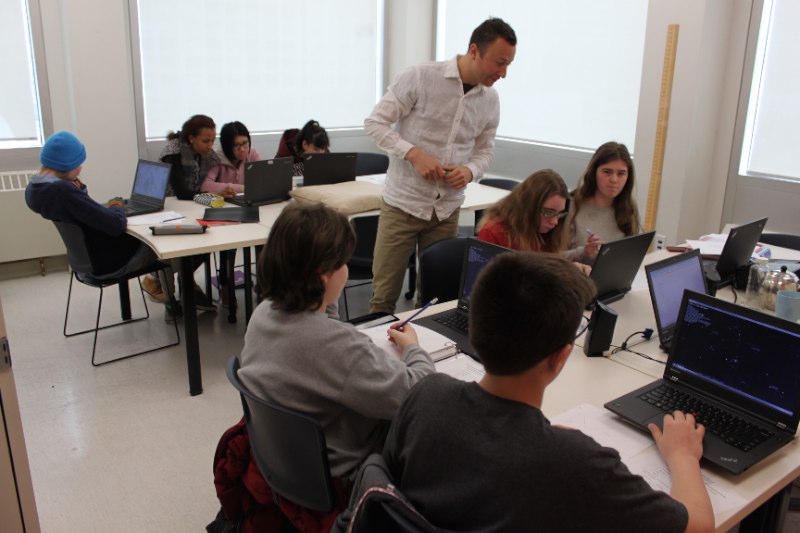
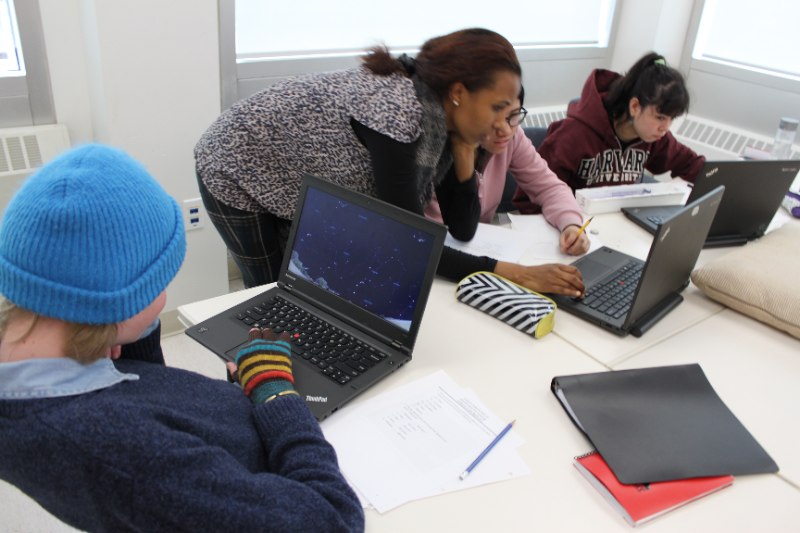
The universe is a vast, marvelous and awe inspiring place, and as the great Carl Sagan once said, we humans, are a way for the cosmos to know itself. The grade nine unit of Earth and Space Science focuses on astronomy, the study of the universe and its major components. Sadly, it is hard to observe astronomical phenomena while at school, but thanks to computer programs we can bring some aspects of the cosmos into the classroom. In order to study the constellations and explore the characteristics of stars, students use a program called Stellarium on our school computers to explore the night sky, and the constellations that have captivated us for thousands of years.

Biochemical Molecules and Cells

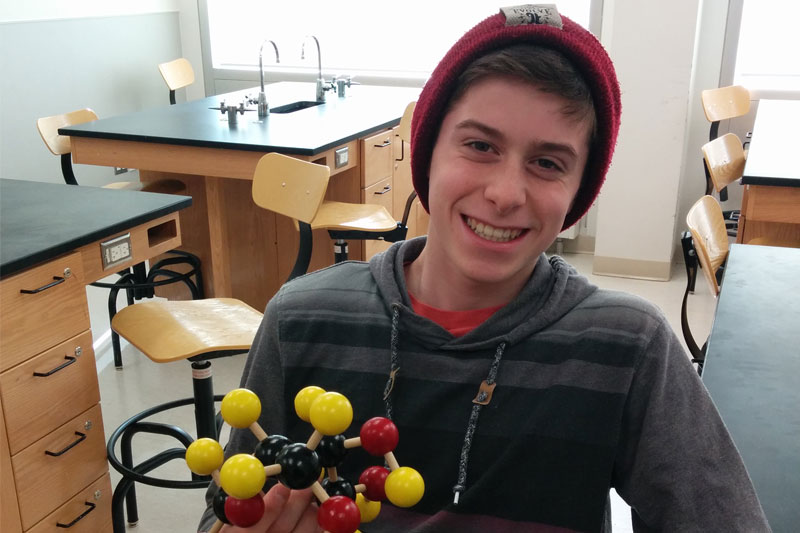
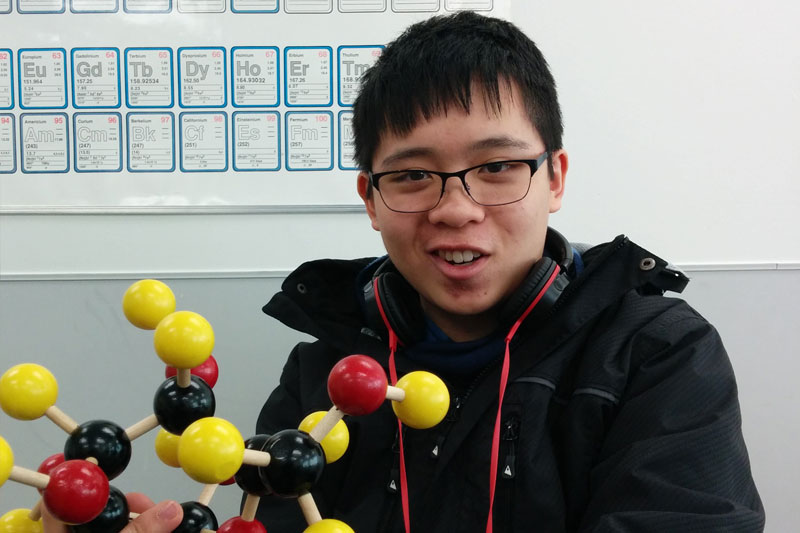
Although cells are the smallest organized units of living things, they are made of even smaller parts. These biological compounds that make up the structures of cells themselves are constructed from the macronutrients we call carbohydrates, proteins, and lipids. In order to get a more in depth understanding of these molecules, students were given molecule kits do build and observe them in three dimensions.

Elephant Toothpaste Lab

Learning about the 6 types of chemical reactions is not always exciting for everyone, especially if it is done solely through practice worksheets. Furthermore, simply discussing and being able to recognise the different types of chemical reactions can be somewhat intimidating to most students.

But life is not always about remembering equations and formulas, because let’s face it; most students forget the majority of the equations and formulas they have learned once they leave the walls of educational institutions. If, however, you can help students see through the equations and formulas and how they apply to the world they experience around them, they will remember that for many years after they have forgotten the formulas and equations.

In order to bring the chemistry from the whiteboard and worksheets to life, we look at a real-time example of a decomposition reaction. We take a mixture of hydrogen peroxide and add to it a few drops of food colouring (for effect) and a few drops of liquid dish soap (for the wow factor). In years past, we have added yeast to speed up the reaction, but this year we tried potassium iodide and a higher concentration solution of hydrogen peroxide for a bigger and better effect. Alas, as happens in science from time to time, the reaction was no different than years past, however, the what the students witnessed still evoked the usual oohs and aahs as the oxygen produced from the decomposition of hydrogen peroxide quickly expanding the soap bubbles in the solution and quickly foamed up and over the graduated cylinder.
Check out the rest the rest of the pictures on our Facebook page!